
Building a deck – fixing to the facade
Fixing the deck to the facade
A deck usually adjoins the wall of the house. The material of the wall and facade determines how, and with what, the joists are fixed to it.
Fixing the deck to the facade of the building
Concrete is the most common material to which parts of a deck are fixed. ESSVE offers several suitable solutions. The Golden Anchor mechanical anchor or the EUS concrete screw ensure firm joints with sufficient load-bearing capacity.
How to fix: The EUS concrete screw needs a pre-drilled hole. Choose the right screw length and remember that the anchorage depth in concrete depends on the screw diameter – for the EUS2 screw it is 35 to 100 mm.
Remember! The thermal insulation and render of the facade are not load-bearing.
Products for fixing to concrete are also suitable for solid brick.
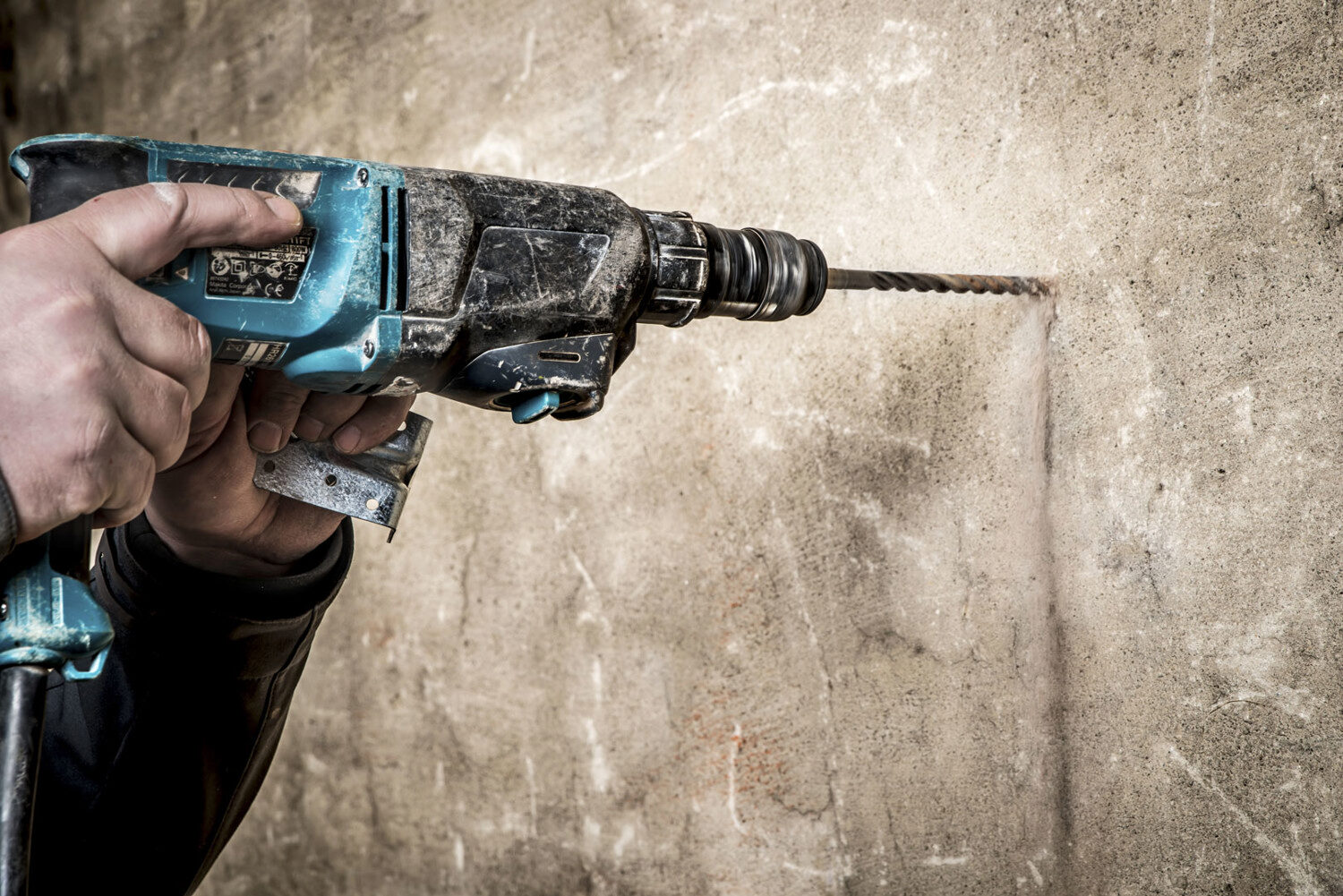
Products for fixing to concrete
These products give you the best result.


Fixing to lightweight concrete and expanded clay aggregate concrete
The walls to which the deck has to be fixed may be made of lightweight concrete, expanded clay aggregate concrete or other light porous materials. For such a base we recommend the HL lightweight concrete screw.
How to fix: Lightweight concrete screws are driven into the base without pre-drilling. When choosing the screw length, take into account the thickness of the component being fixed and the optimum screw-in depth.
Remember! Remove the render where the lightweight concrete screws pass through it.
Products for fixing to lightweight concrete
These products give you the best result.
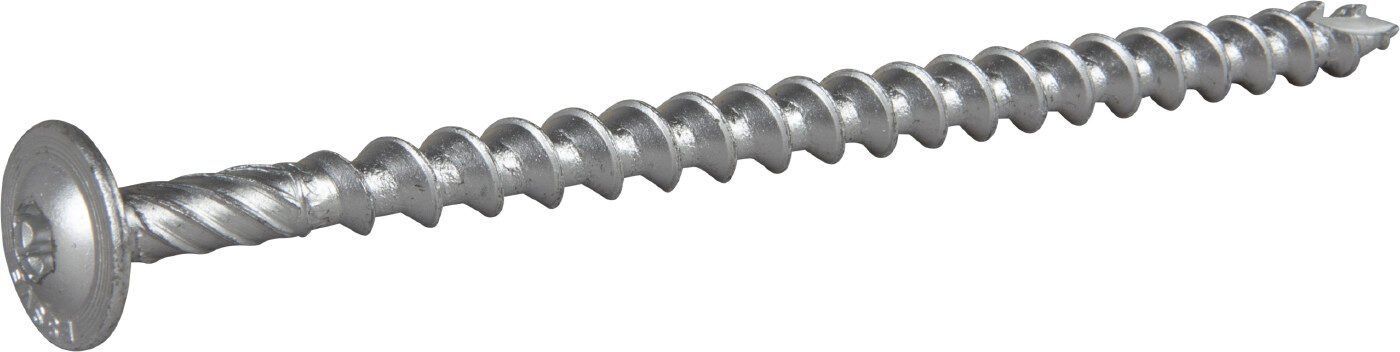

Fixing the deck to a wooden facade
If you are fixing the deck to a timber wall of the building, use one of the WAF or HEX construction screws, which meet the requirements for load-bearing structures. Both screws have similar properties and both can be installed without pre-drilling. If a neat appearance matters to you, we recommend WAF screws with a large flat head; if you prefer quick installation with a hex head screw, choose HEX screws.

Products for fixing to wood
These products give you the best result.

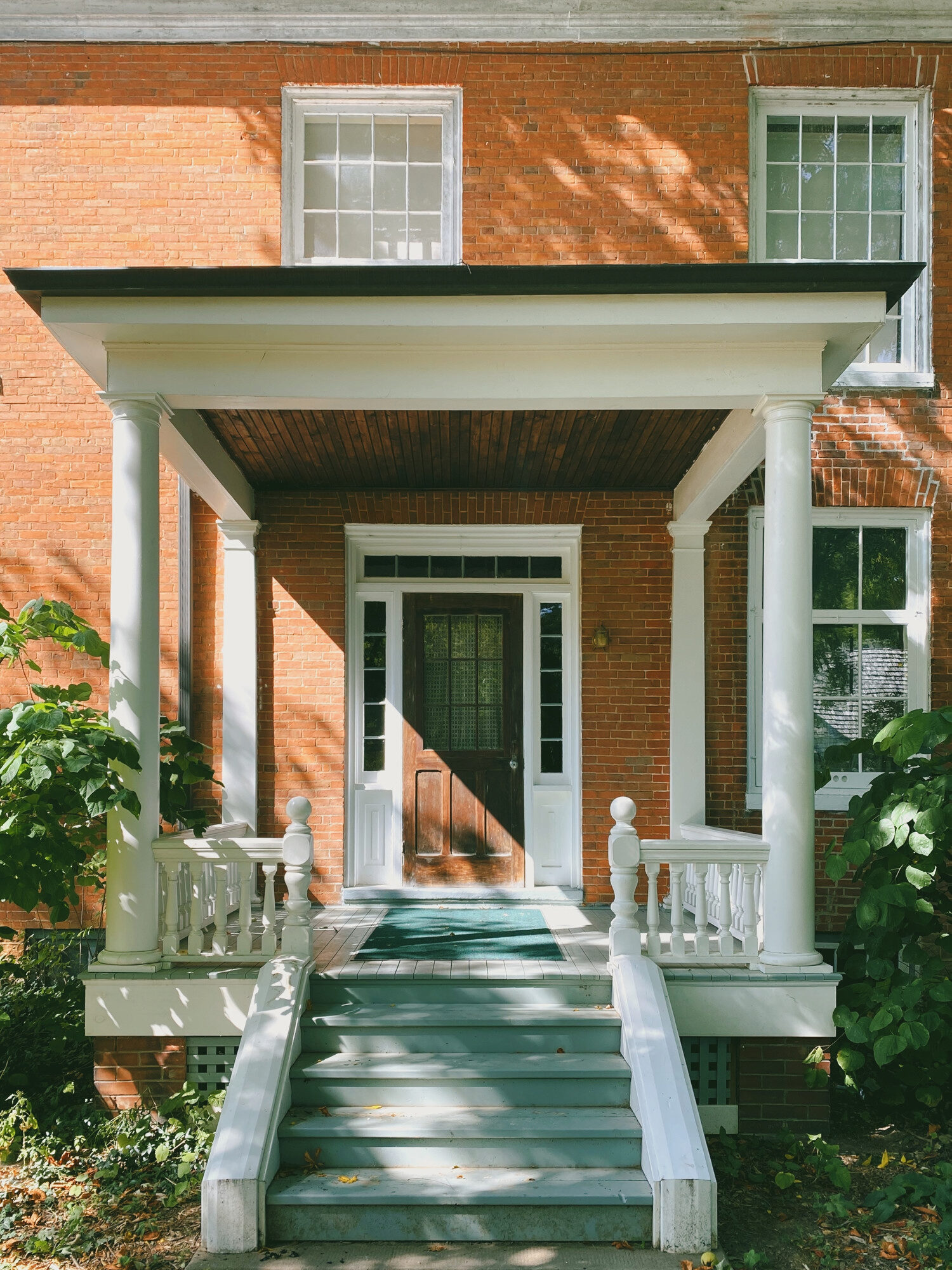
Fixing to hollow blocks and hollow bricks
For hollow bricks and blocks you will get the best result with GXL frame anchors.
How to fix: Set the plug so that it reaches beyond the first cavity of the brick or block. You will achieve the expected load-bearing capacity when the plug engages at least two adjacent webs of the unit.
Products for fixing to hollow bricks and blocks
These products give you the best result.

Other parts of the deck
When installing other parts of the deck that are set away from the walls of the building, level the joists carefully.
As a guide, the distance between individual joists should not exceed 2.5 m – the exact distance depends on the cross-section of the joist and the load on the deck.

Next steps of the guide:
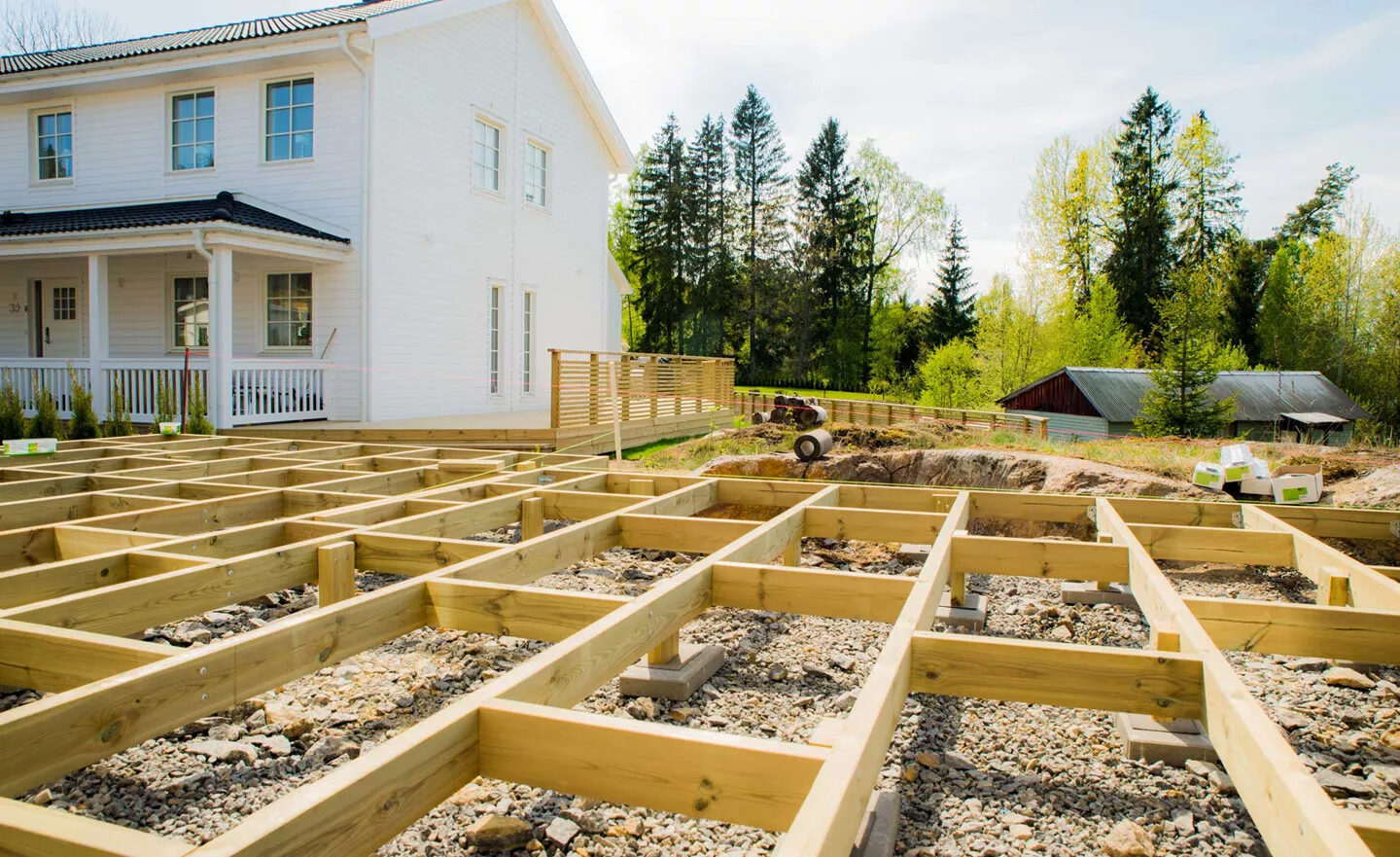
Deck foundation
How do you build a foundation for a timber deck? It depends on the type of ground and on how the substructure is fixed.

Deck substructure
Once the foundation is finished and the joists are fixed to the walls of the building, it is time to build the deck substructure.

Visible or hidden fixing of decking boards?
Before you start laying the decking boards, you need to choose the fixing method. Traditional fixing with screws driven from the top is the most common, but fixing with hidden screws has also become popular recently.
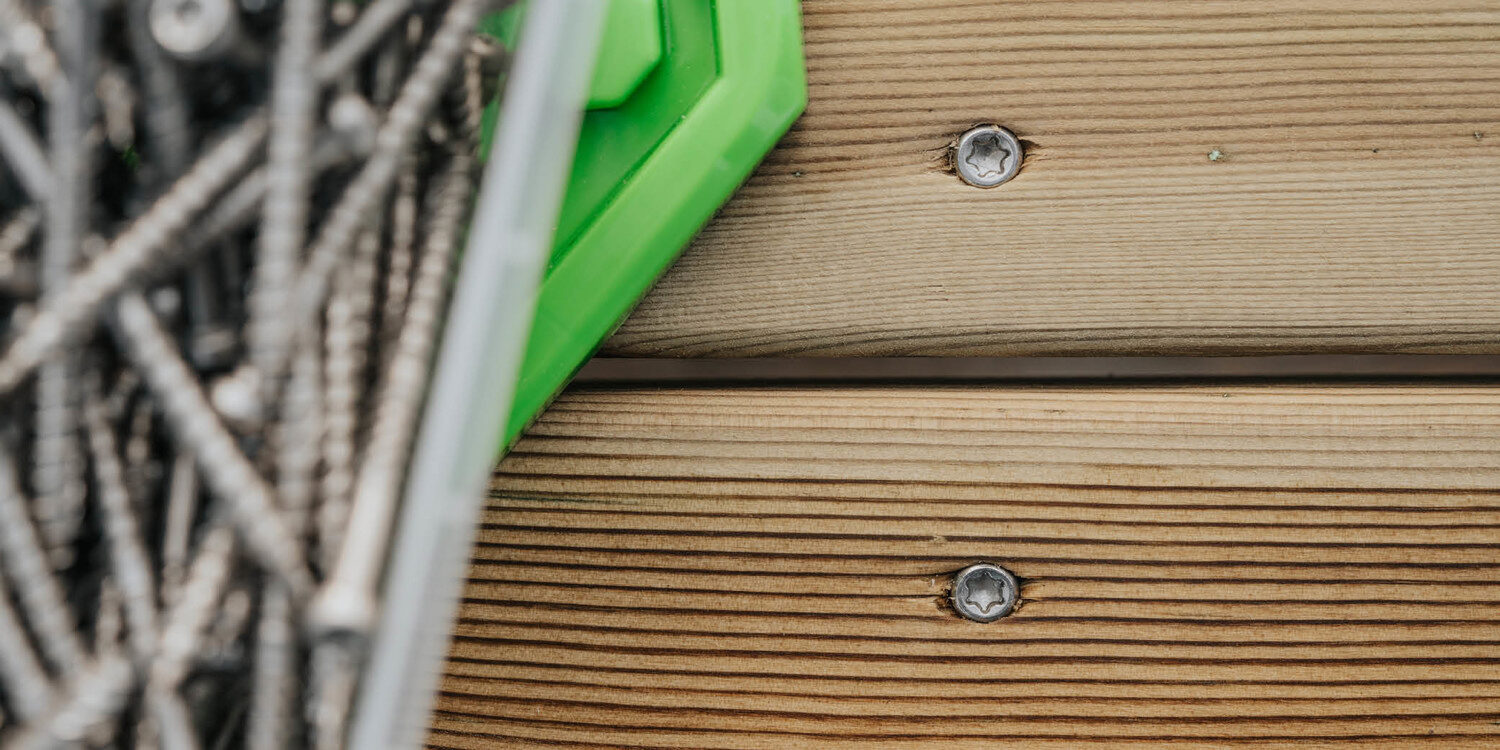
Choose screws of the right quality
For a durable deck, it is important to choose a screw of the right quality with suitable corrosion protection. The choice is affected, for example, by the environment, the type of wood and the type of deck structure.
The information in this guide is for guidance only. Follow the manufacturer's technical data sheet and the applicable standards; if in doubt, contact us.