
Choosing wood for your deck
Stylish, durable and maintenance-free!
The choice of wood has the biggest impact on the look of a deck. But there is more to consider than just appearance. The wood also determines which screws you need to buy.
The type of wood has the greatest influence on the look of your deck
When choosing wood, however, do not think only about aesthetics, but also about resistance to changing weather, maintenance requirements and what you want to have on the deck. The type of wood also determines the type and corrosion resistance class of the fasteners that need to be used for installation.
Advantages, disadvantages and advice on each type of wood:
- Pressure-treated pine
- Larch
- Heartwood pine
- Silicon-modified wood
- Oak
- Thermally modified wood
- Cedar
- Exotic wood
- Wood-plastic composite
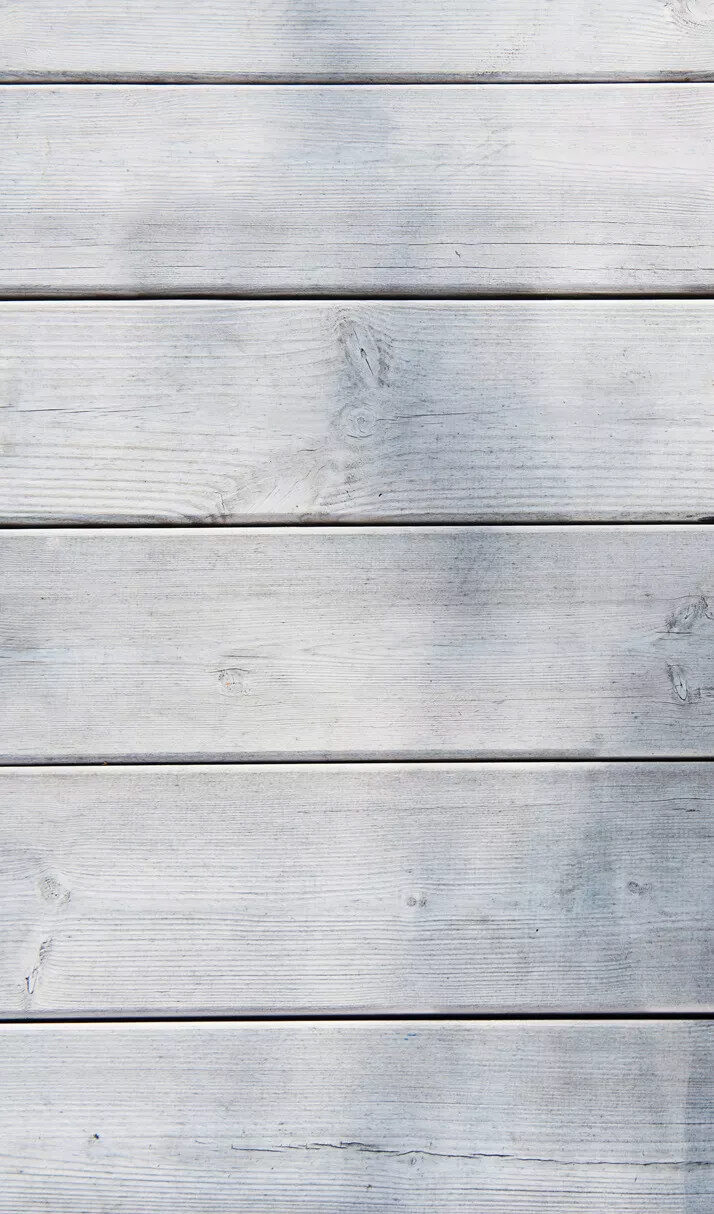

Pressure-treated pine
The most widely used type of wood, available in various treatment colours. The board can be smooth or grooved – the choice is yours.
Advantages: Cheap, easy to work with and durable.
Disadvantages: Older types of pressure treatment may contain hazardous chemical compounds and heavy metals. Waste wood must therefore be handed in for disposal.
Screw material:
- Carbon steel screw in corrosion resistance class C4 (CorrSeal surface treatment from the ESSVE range)
- Stainless steel A2
- Stainless steel A4
The screw material depends on where the deck is located. Here you will find recommendations and tips on choosing screws.
Ways of fixing decking boards:
- Fixing through the face of the board with ESSDECK Max screws
- Hidden fixing with the HDS system
Larch
Larch is an alternative to pressure-treated pine decking boards. Before installation, the wood should be oiled on all four sides. When ordering boards, make sure you get 100 % heartwood.
Advantages: An environmentally friendly alternative to pressure-treated timber. Hard and durable.
Disadvantages: A brittle wood that can naturally crack and twist.
Screw material:
- Stainless steel A2
- Stainless steel A4
Below you will find a checklist, which will help you decide when to use which.
Ways of fixing decking boards:
- Fixing through the face of the board with ESSDECK Max screws
- Hidden fixing with the HDS system
- Caution: after installing with the HDS system, wash the decking board very thoroughly. Larch can react to the metal of the tool by discolouring.
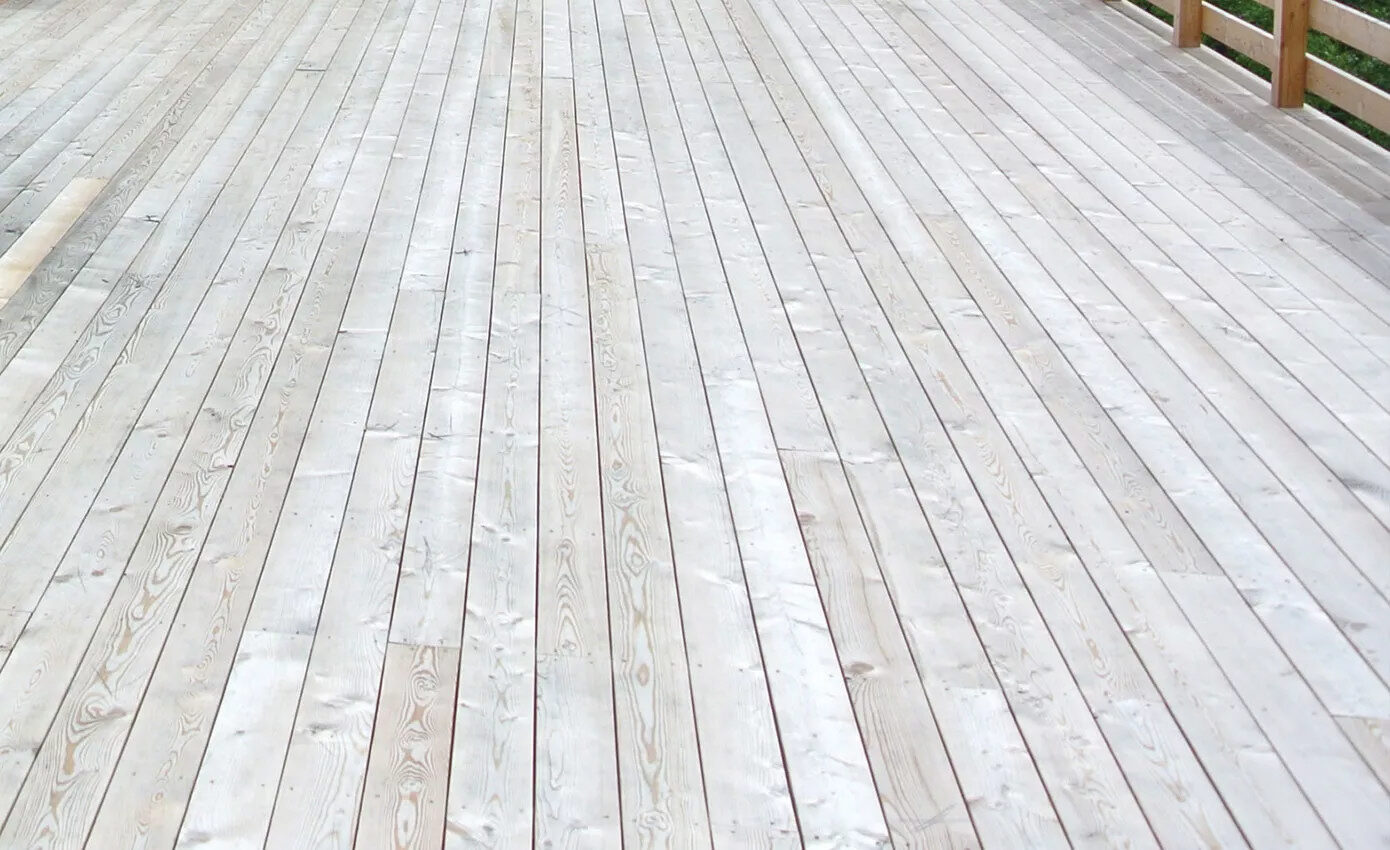
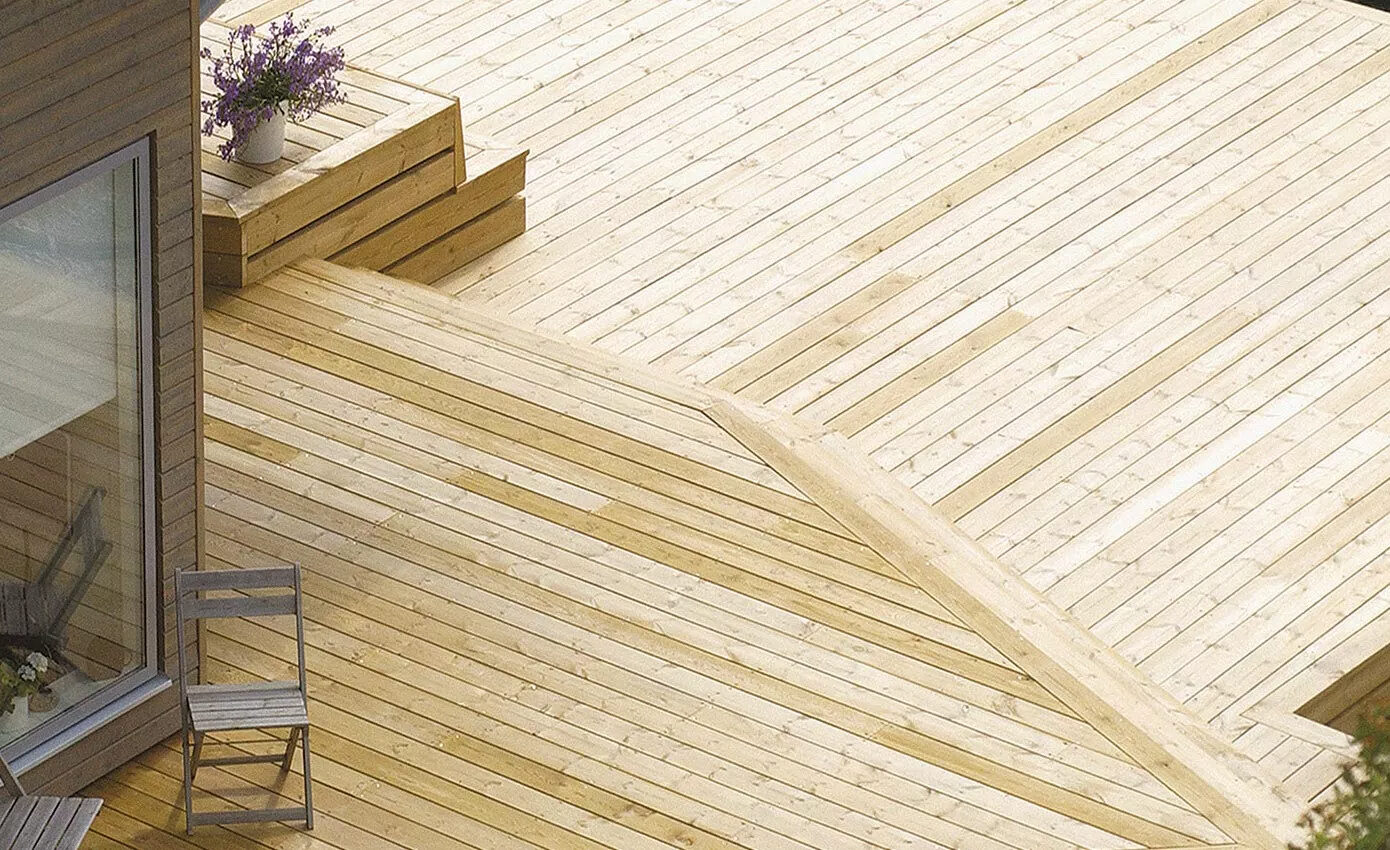
Heartwood pine
A heartwood pine board consists of 99 % heartwood – from the inner, hardest part of slow-growing Scandinavian pine trunks.
Advantages: Long service life without the need for maintenance or preservative treatment.
Disadvantages: Long boards are hard to come by. The high quality is reflected in a higher price.
Screw material: As heartwood pine is a hard, expensive, high-quality wood, we recommend screws made of stainless steel A2 or A4. The choice depends on where the deck is located.
- Stainless steel A2
- Stainless steel A4
Below you will find a checklist, which will help you decide when to use which.
Ways of fixing decking boards:
- Fixing through the face of the board with ESSDECK Max screws
- Hidden fixing with the HDS system
Silicon-modified wood
From an environmental point of view, this wood is classified as silicon-modified wood. It has an attractive silver-grey shade and a long service life. Silicon modification increases resistance to rot and water absorption and improves fire resistance.
Advantages: Good protection against rot gives peace of mind. Wood offcuts can be recycled as combustible construction waste.
Disadvantages: It cannot be used if you are planning a deck directly on the ground – the wood must not be in direct contact with the soil!
Screw material:
- Stainless steel A2
- Stainless steel A4
Below you will find a checklist, which will help you decide when to use which.
Ways of fixing decking boards:
- Fixing through the face of the board with ESSDECK Max screws
- Hidden fixing with the HDS system
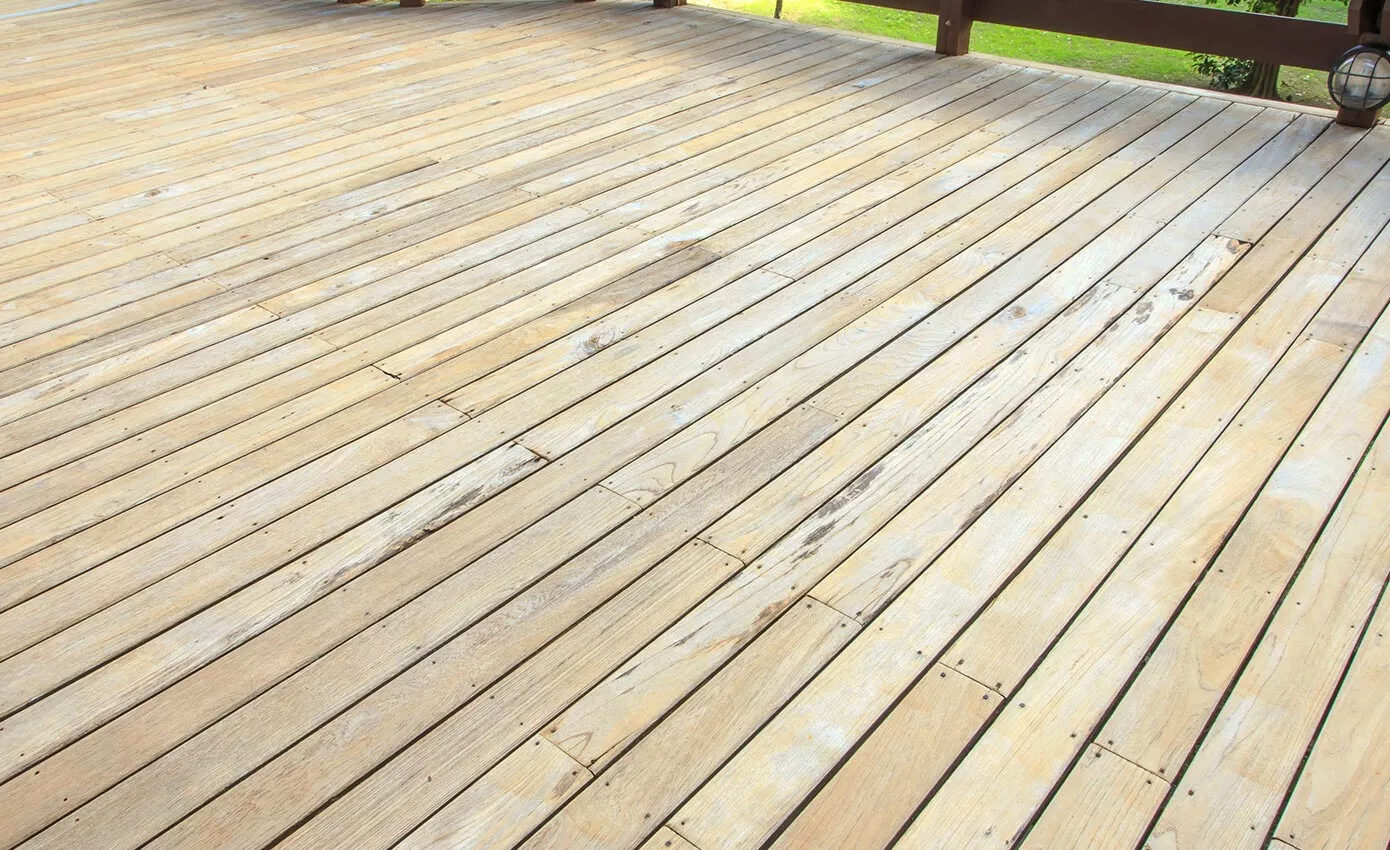
Oak
A hard, heavy and durable hardwood. As it dries, it takes on a silver-grey shade. If you decide to oil the boards, we recommend a pigmented oil.
Advantages: A hard-wearing wood with natural durability.
Disadvantages: It must be fixed with stainless steel screws – with carbon steel screws there is a risk of the wood around the screw turning black.
Screw material:
- Stainless steel A4
Ways of fixing decking boards:
- Fixing through the face of the board with ESSDECK Max screws
- Hidden fixing with the HDS system
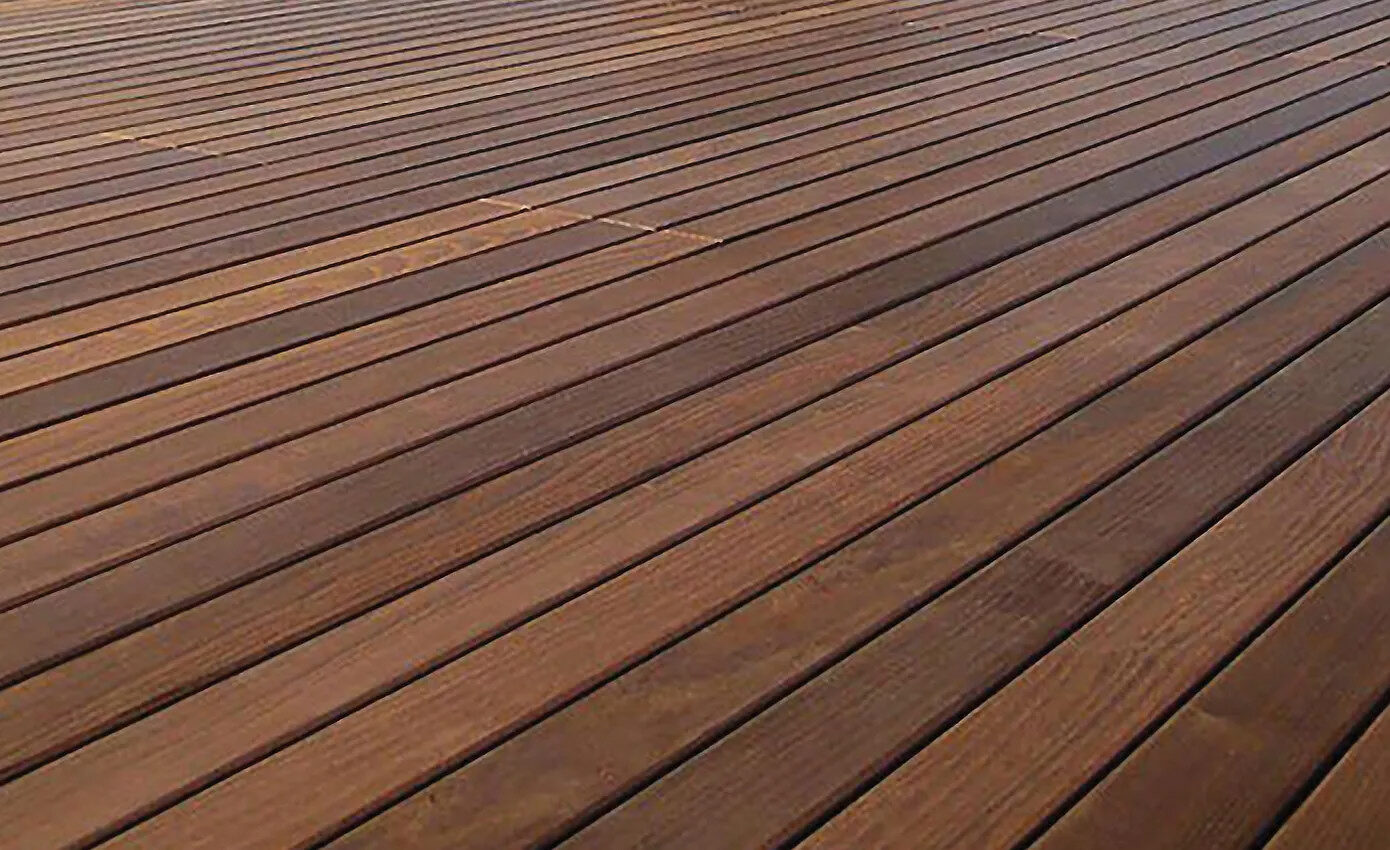
Thermally modified wood
Thermally modified wood can be a cost-effective alternative to exotic wood. One example is ash boards, which have higher mechanical strength and rot resistance after heat treatment.
Advantages: Hard and durable. High resistance to rot.
Disadvantages: A brittle wood that tends to splinter. Requires pre-drilling and stainless steel screws. It needs cleaning and treating once a year.
Screw material:
- Stainless steel A2
- Stainless steel A4
The screw material depends on where the deck is located. Here you will find recommendations and tips on choosing screws.
Ways of fixing decking boards:
- Fixing through the face of the board with ESSDECK Max screws
- Hidden fixing with the HDS system
Cedar
Cedar is a soft, easy-to-work wood that takes on a silver-grey shade over time. If you want to keep its reddish-brown colour, it needs to be treated with cedar oil.
Advantages: High resistance to rot.
Disadvantages: Only 100 % cedar heartwood has natural resistance to rot, which makes it expensive. We recommend wearing protective gloves and a respirator when working with it. The soft surface is easily damaged.
Screw material:
- Stainless steel A4
Ways of fixing decking boards:
- Fixing through the face of the board with ESSDECK Max screws
- Hidden fixing with the HDS system
Exotic wood
Exotic woods include high-quality tropical species such as teak, bangkirai, cumaru, jatoba and ipe.
Advantages: High resistance to rot, no maintenance required.
Disadvantages: Expensive wood, requires pre-drilling. Many exotic species are endangered.
Screw material:
- Stainless steel A4
Ways of fixing decking boards:
- Fixing through the face of the board with ESSDECK Max screws
- Hidden fixing with the HDS system
Composite
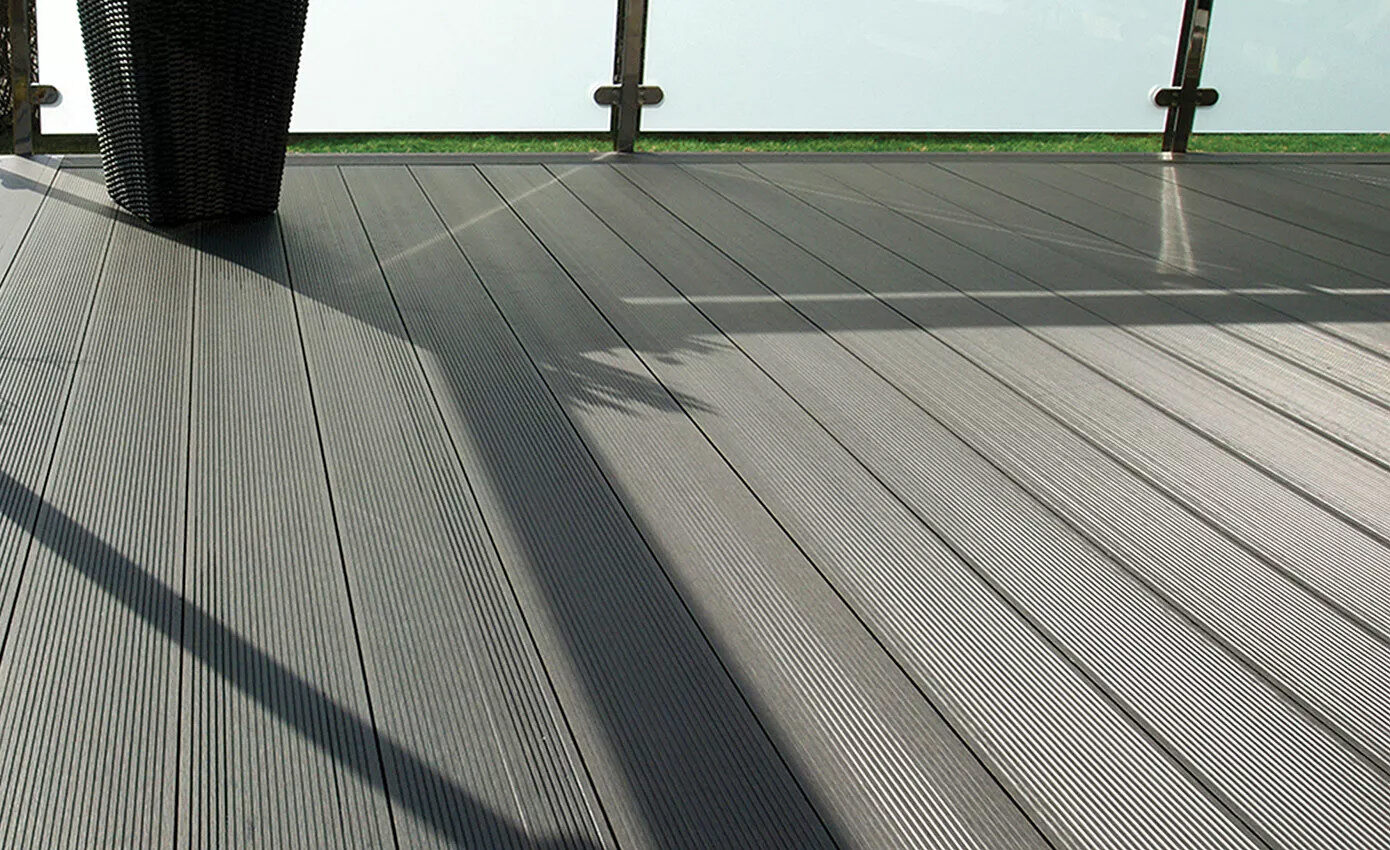
Composite is the name for products made of recycled plastic mixed with wood chips or cellulose. Prices vary widely, and the products are sold in various colours and shapes.
Advantages: No maintenance required, keeps its colour, easy to work.
Disadvantages: Gets very hot in the sun.
Screw material:
- Stainless steel A2
- Stainless steel A4
Ways of fixing decking boards:
Composite products do not behave like wood, so it is important to find a suitable screw. They usually require pre-drilling – we recommend the standard Classic screw, which is better suited to this type of board.
Hidden fixing with the HDS system is only possible with solid composite boards.
Recommended articles
9 tips from professionals
What is the best way to get a new deck? We put this question to several very experienced contractors who have built hundreds of decks.
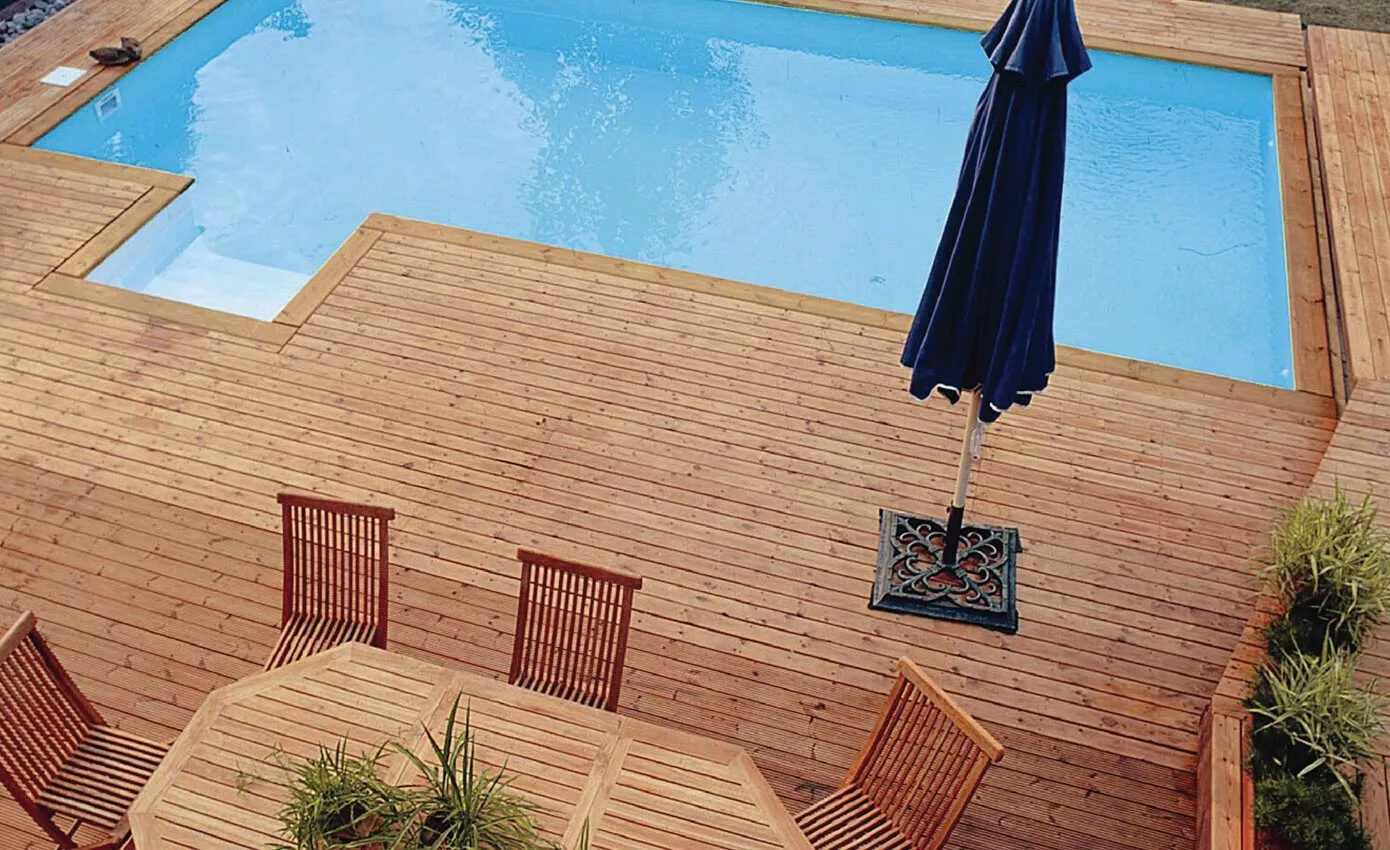
A deck by the pool!
If you are building a deck with a swimming pool, it affects the design, the choice of wood and the choice of screws. Find out all the details before you start building.
Buy at Zrubko.sk
Here you will find everything you need to build a deck – screws, hardware and wood.
The information in this guide is for guidance only. Follow the manufacturer's technical data sheet and the applicable standards; if in doubt, contact us.