
3 things to keep in mind when installing in concrete
Watch out for this when installing in concrete
What to fix and into what material? We answer the most important questions.
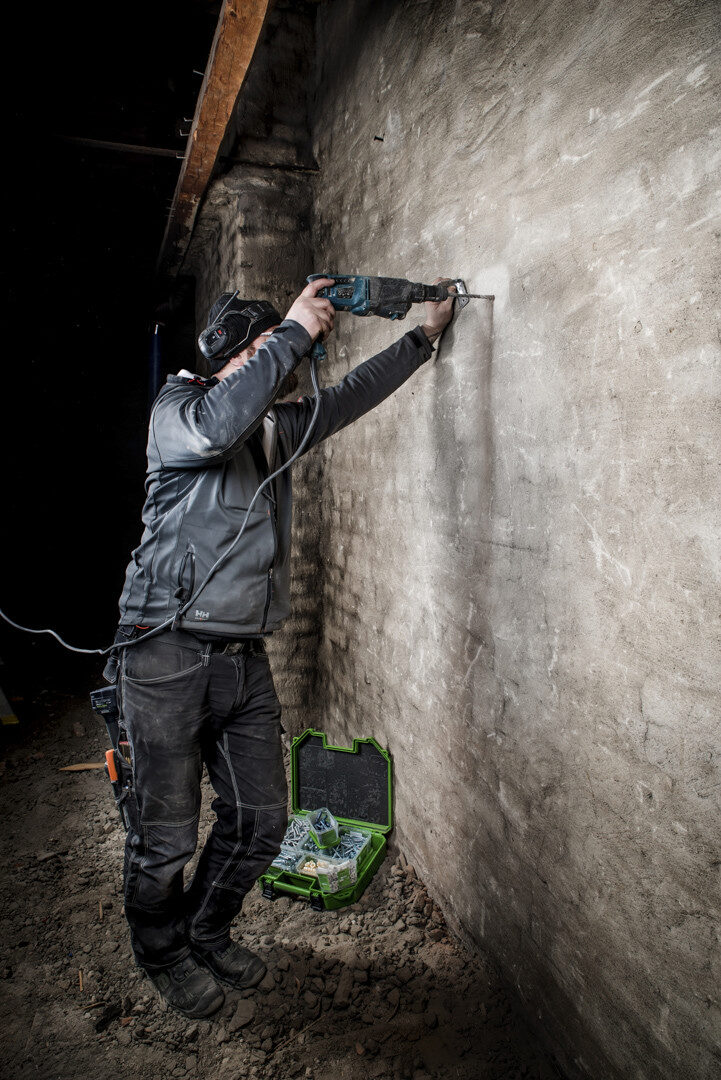
Installation in cracked concrete
Cracks form naturally in concrete. Their width is usually around 0.3 mm. Cracks form when concrete is subjected to tension – most often on the underside of slabs and beams or on the upper side of load-bearing walls. Tensile stress also arises in concrete as it shrinks while hardening. Anchoring elements installed in cracked concrete must be suitable for the application.
Cracked concrete means concrete with cracks that can form at any time during the entire service life of the building (100 years). So it does not matter whether they were already present at the time of installation.
What material will you be fixing into?
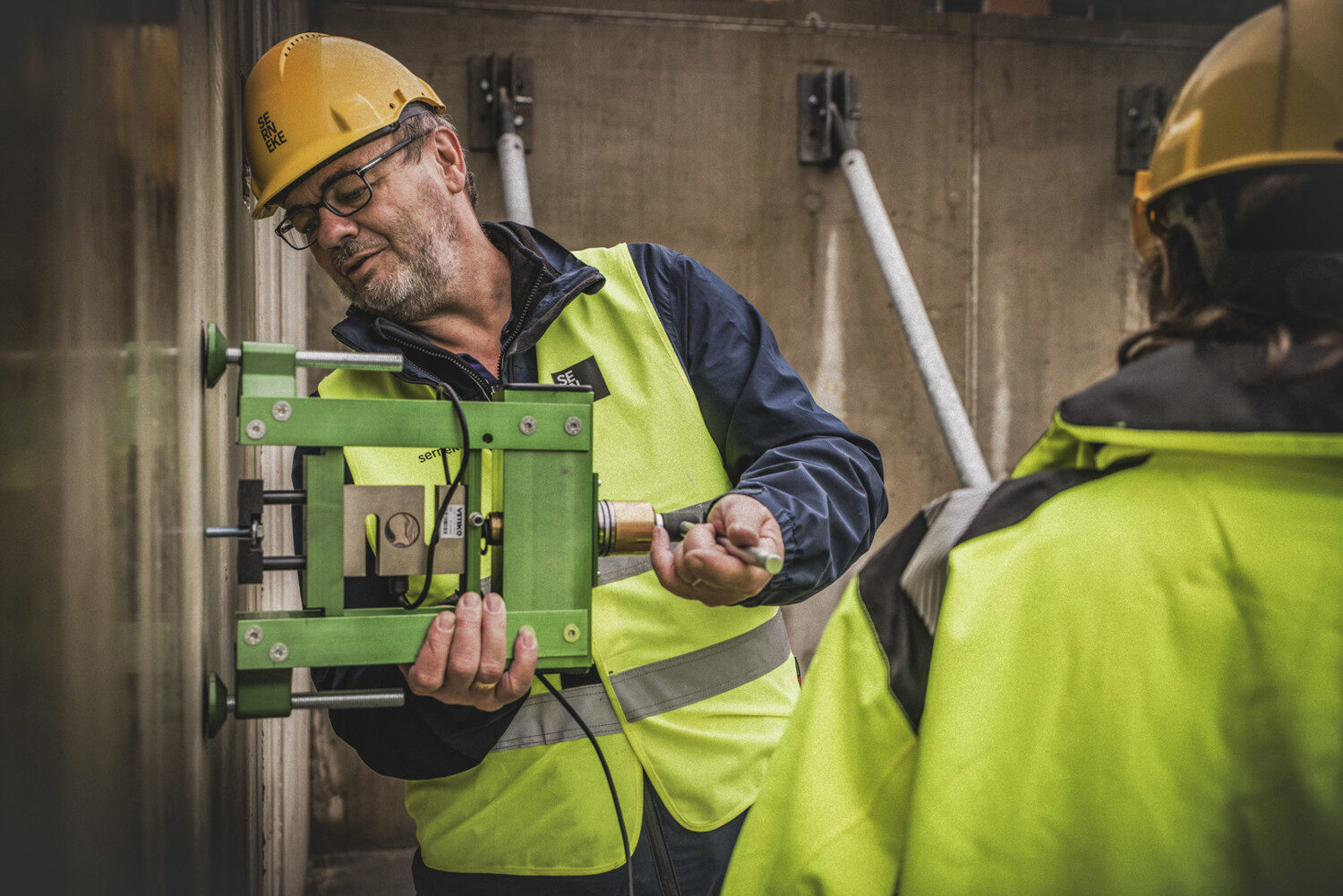
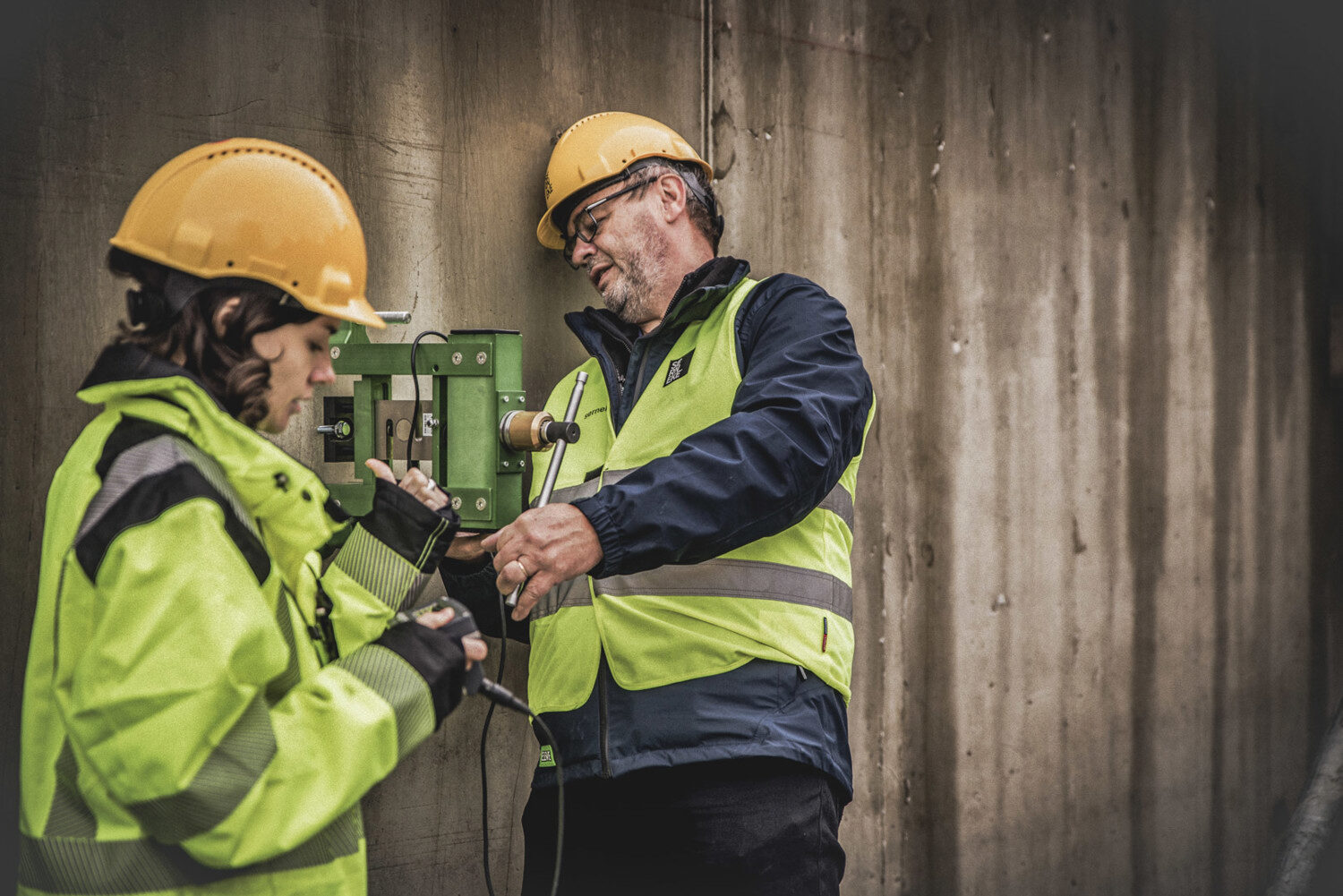
Older material can be in varying condition, and it is hard to determine what load it will bear. If you do not know the quality of the material, we recommend carrying out a proof load test. This almost always applies to low-density concrete and brick. For installation in concrete, verified values are usually available, which you will find in the technical data sheets of the individual ESSVE products. A proof load test may still be necessary, however – if you do not know the quality of the concrete or if very high safety requirements are placed on the installation.
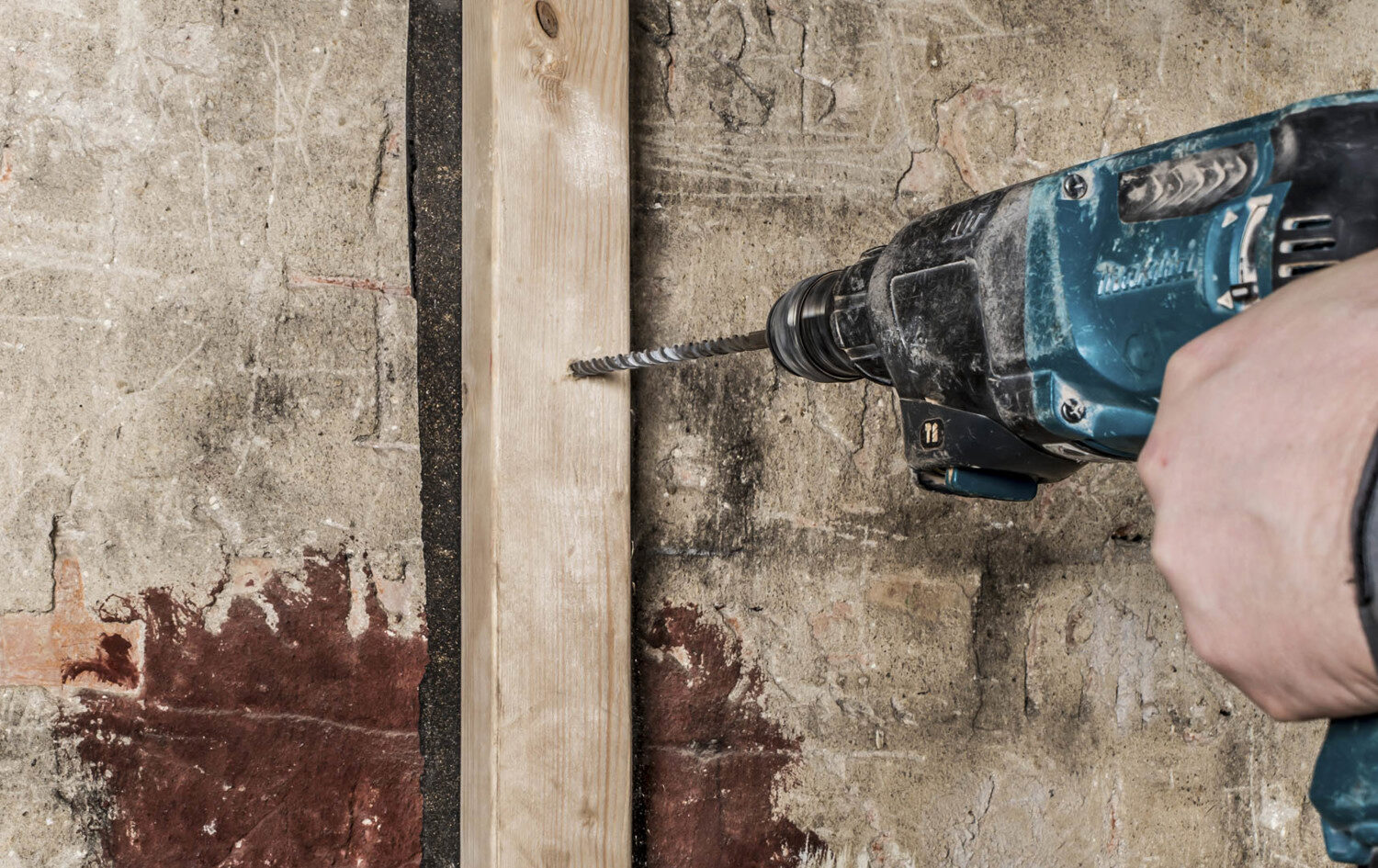
Mind the distances!
Will the anchor points be close to an edge?
In that case, the load-bearing capacity is reduced. Installation at less than the minimum edge distance for the anchor point in question is not permitted.
Are the anchor points close to each other?
In this case, too, the load-bearing capacity is reduced. Installation at less than the minimum spacing between individual anchor points is not permitted.
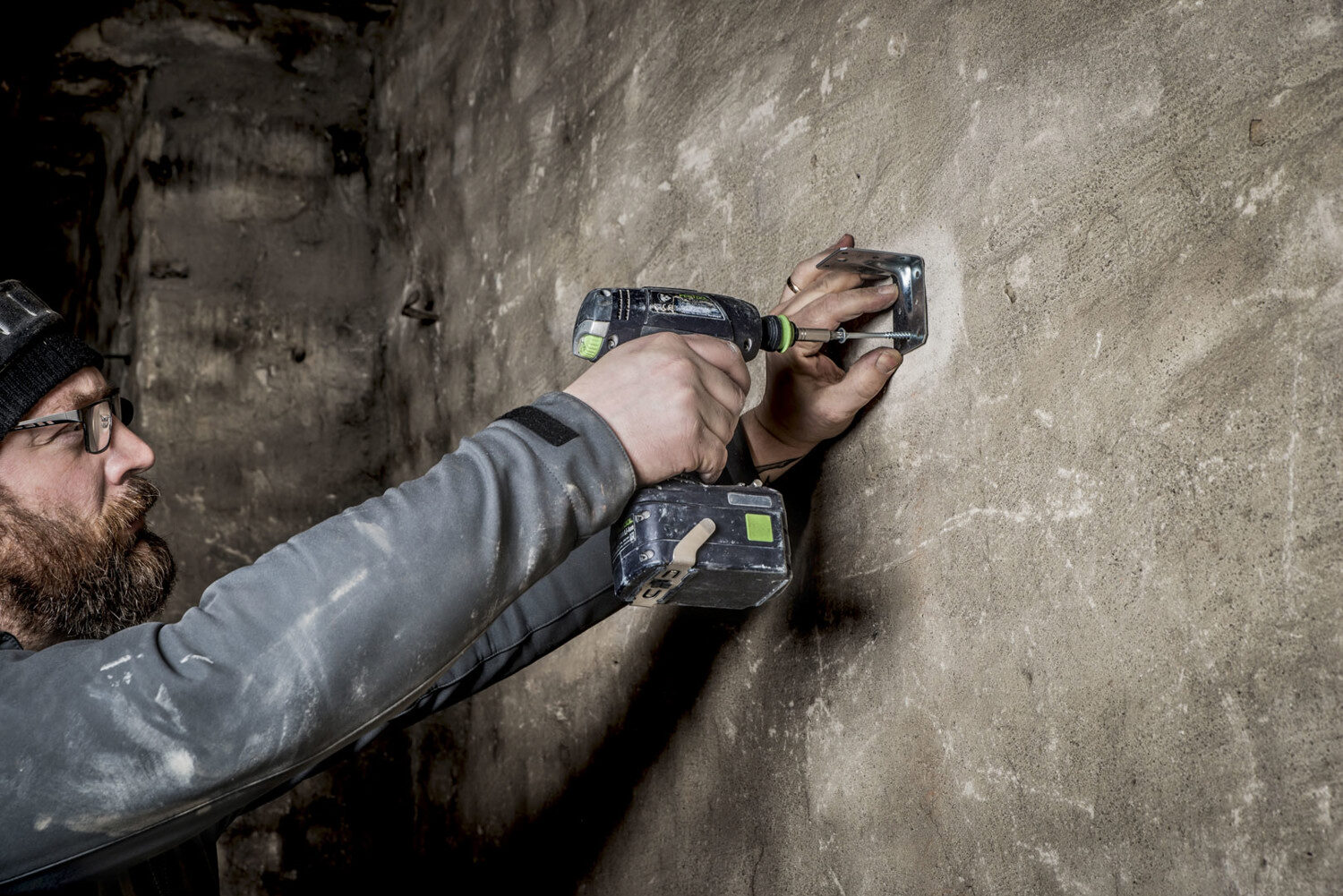
The information in this guide is for guidance only. Follow the manufacturer's technical data sheet and the applicable standards; if in doubt, contact us.