
FAQ: building and installing a wooden facade
FAQ: building and installing a wooden facade
Planning a wooden facade? We have put together an overview of the most frequently asked questions and answers to help you avoid structural mistakes and choose the best system solutions.
Where do you start when planning a facade?
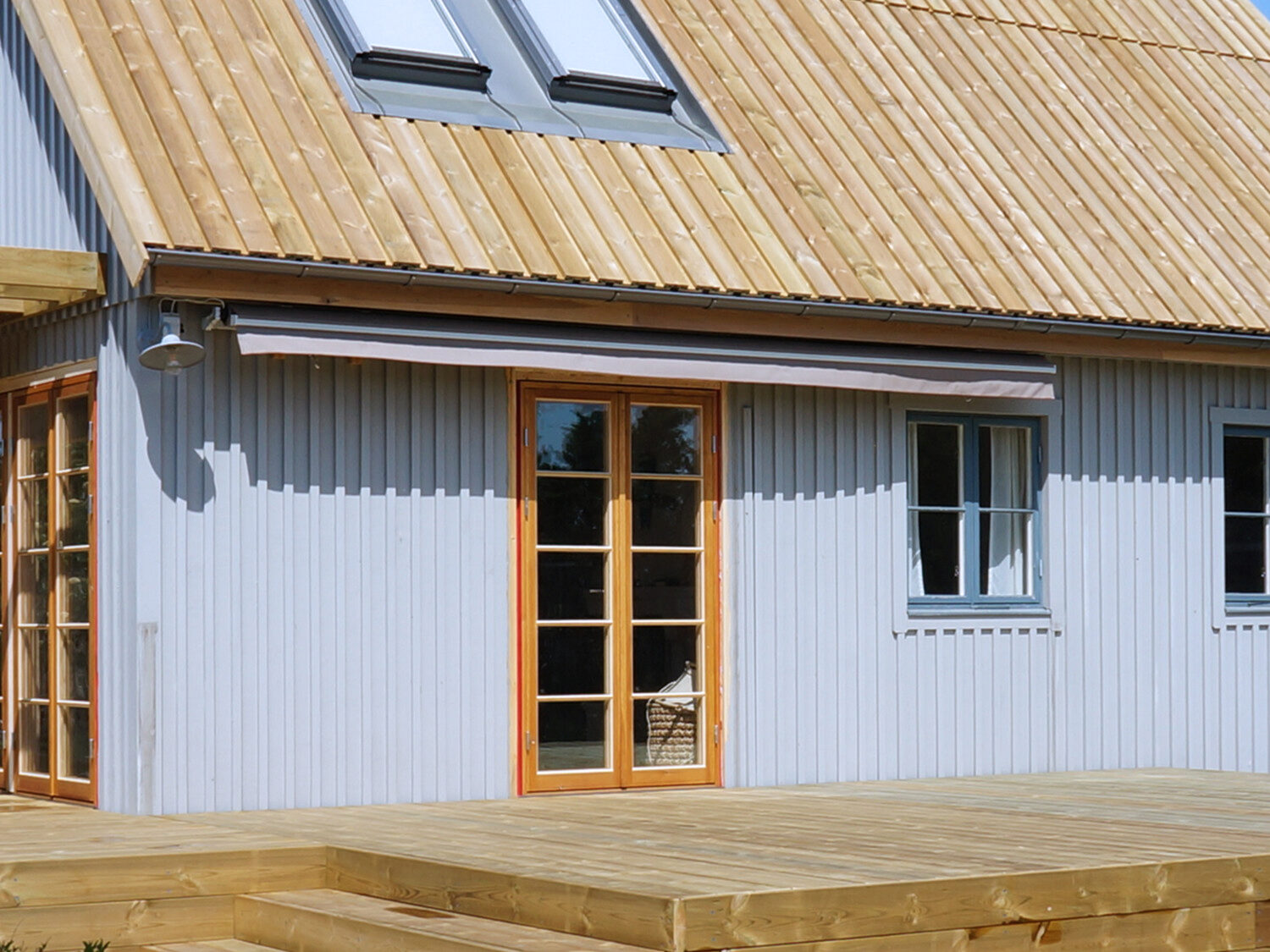
The key is choosing a suitable wood species (e.g. Nordic spruce, Siberian larch or ThermoWood thermally modified wood) and assessing the climatic conditions. A well-planned facade must protect the building from moisture and last for decades.
Which wood is best for a facade?
The most common choices are Nordic spruce (easy to paint) or Siberian larch (high natural durability). Thermally modified wood (ThermoWood), which is exceptionally dimensionally stable, is becoming increasingly popular.
Should facade boards be painted before installation?
Yes. To avoid “stripes” (unpainted areas that are exposed when the wood moves), the boards should be primed and given at least one coat on each side before they are screwed to the substructure.
Why is facade ventilation so important?
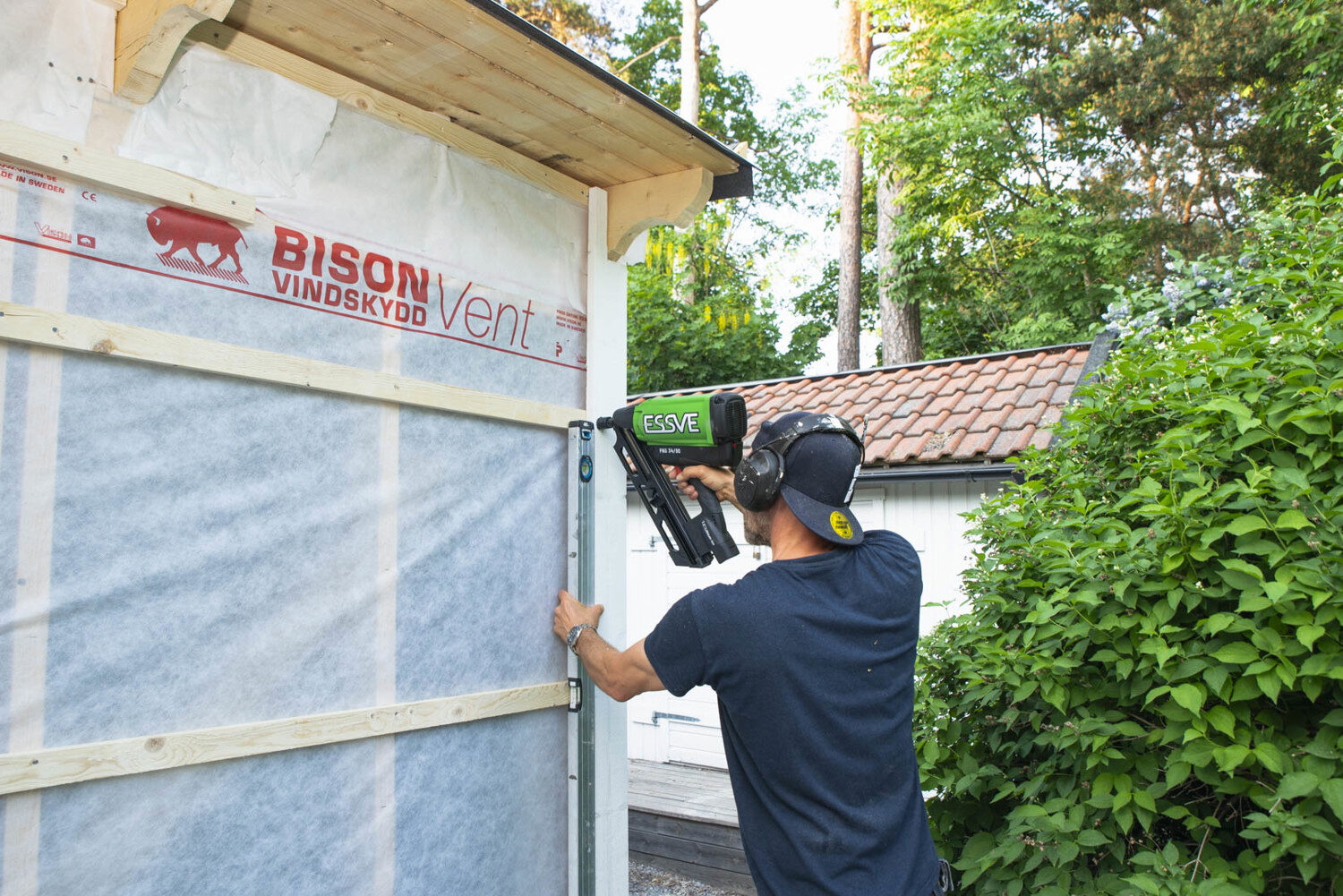
A correct ventilation gap (min. 25 mm) allows moisture to escape. This protects the building structure from mould and the boards themselves from rot on the inner side. Without ventilation, the service life of the facade is drastically shortened.
How do you protect a facade from rodents?
Fit perforated metal strips at the inlet and outlet of the ventilation gap (at the bottom and top of the facade). They prevent mice and insects from nesting in the insulation layer behind the boards.
Which screws should be used to install a facade?
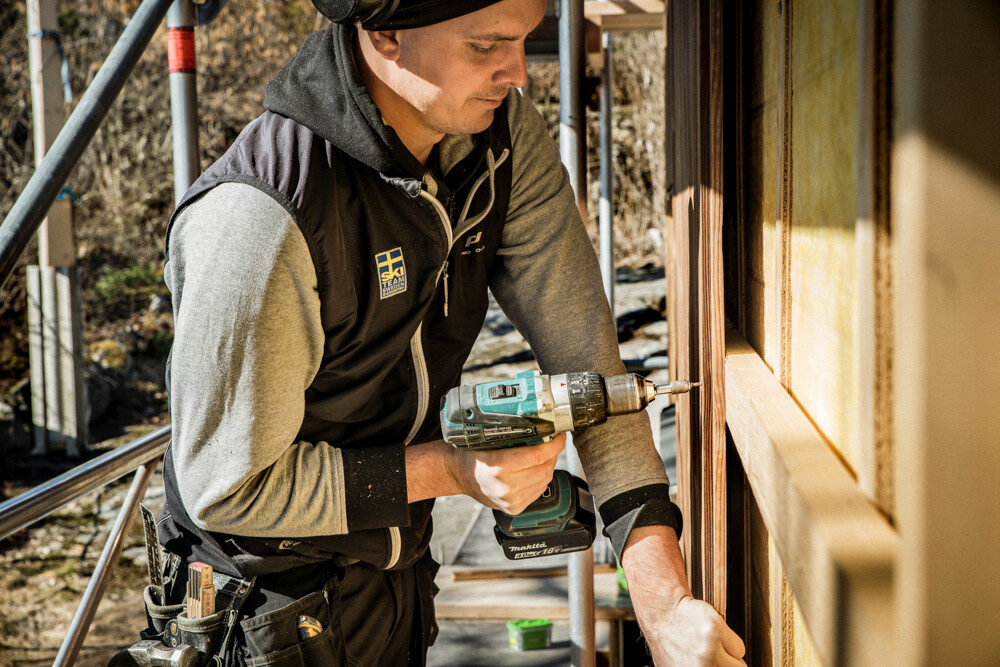
For facades, corrosion-resistant screws with a small head that sits neatly flush with the board are recommended. In demanding conditions (e.g. by the sea) or with aggressive wood species (larch, oak), stainless steel A2 or A4 screws are essential.
How do you prevent boards from cracking and warping?
Let the material move naturally – do not overtighten the screws, so that the head does not sink deep into the wood (where it then soaks up water), and keep the correct installation gaps between the boards.
Screws or nails – which should you choose?
Nails driven with a nail gun speed up the work, but facade screws have a greater clamping force and, if a board is damaged, make it easy to remove a single board without damaging the neighbouring ones.

Does a wooden facade need regular maintenance?
Yes. Suitable oiling or painting protects the wood from UV radiation and moisture. The walls most exposed to the sun (south-facing) need to be checked more often than the north-facing ones.
How should cut board ends (end grain) be treated?
This is a critical point: every cut must be treated before installation. Board ends absorb water the fastest – if you do not treat them, this is the most common cause of paint peeling at the bottom of the facade.
How high above the ground should the facade start?
The bottom edge of the boards should be at least 30 cm above ground level. This protects the wood from rainwater splashing back and ensures a free supply of air to the ventilation gap.
The best products for facades
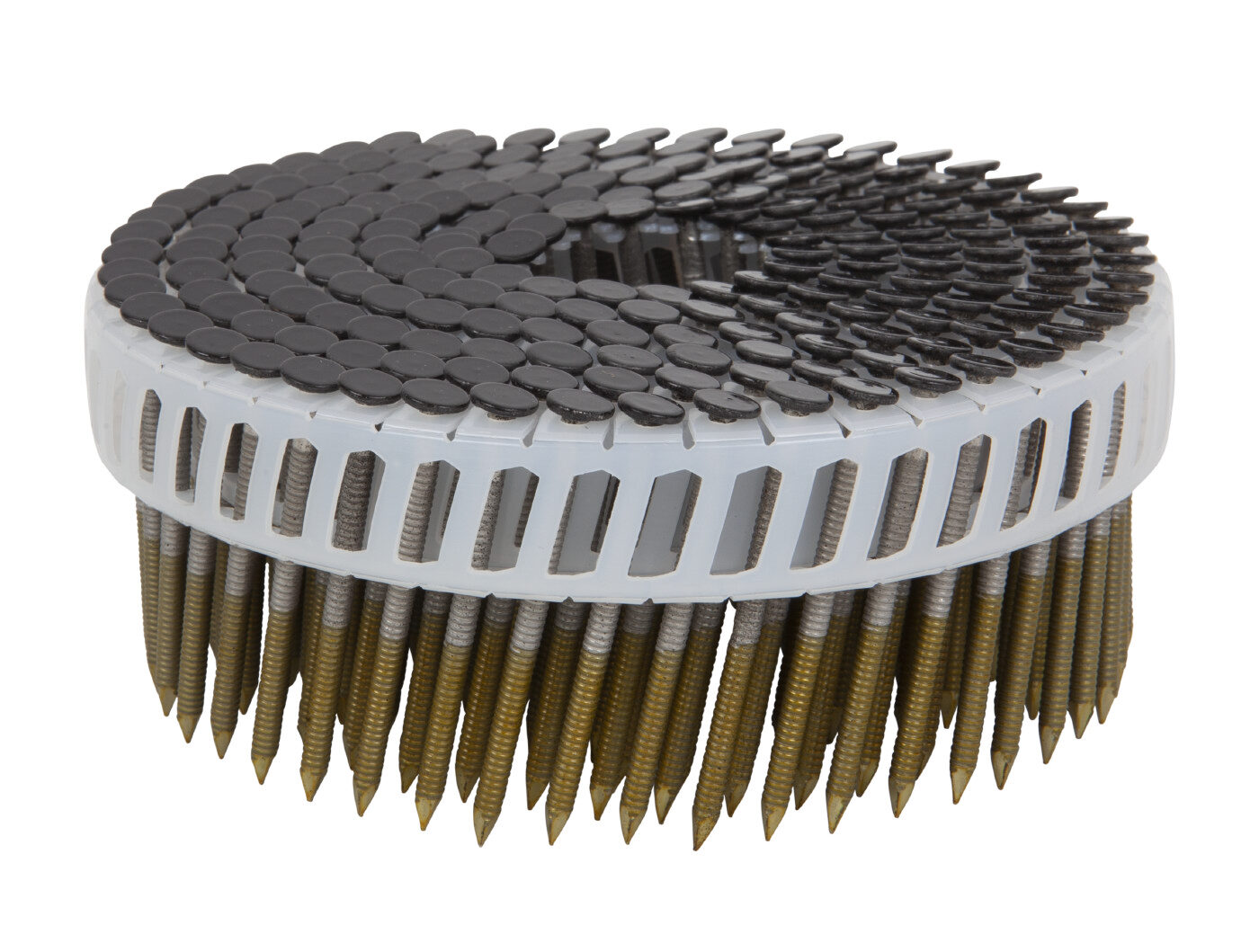 Ring shank nails 15°, coil collated, stainless steel A4, RAL 7021
 ESSVE Facade screw, countersunk head, Bi-Metal 4.8 x 35 mm A4, pack of 250
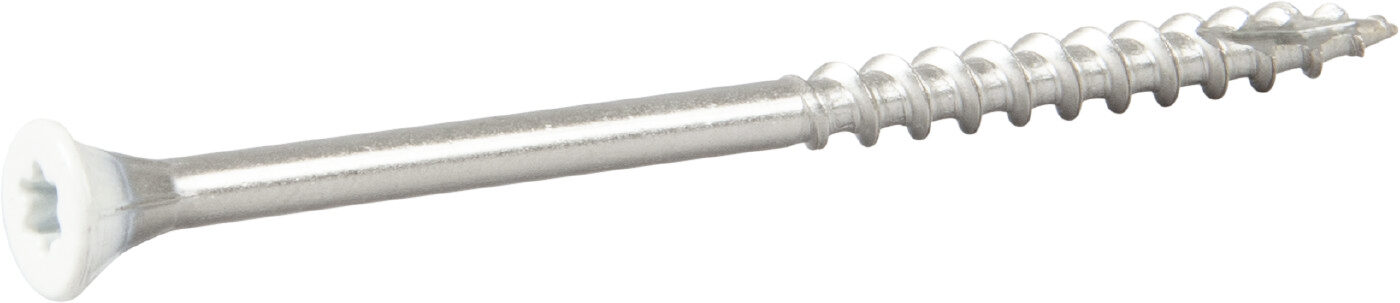 Facade screw, countersunk head, acid-proof stainless steel A4
 ESSVE Collated facade screw with countersunk head 4.2 x 45 mm A4, pack of 1000
 ESSVE Facade screw with cylindrical head 5.0 x 52 mm A4, pack of 250
Useful installation tools


Want to find out even more?
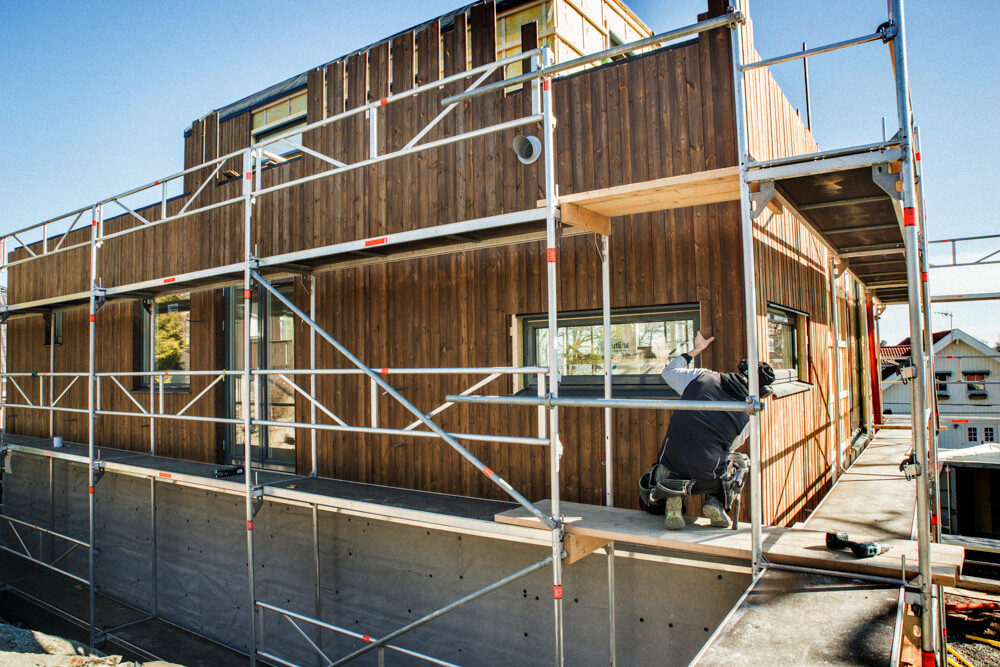
Step-by-step guide
Plan the work and go through all the stages of installing a facade
The information in this guide is for guidance only. Follow the manufacturer's technical data sheet and the applicable standards; if in doubt, contact us.