
Installing a wooden facade and roof – a guide for professionals
All about installing facades and roofs
Are you about to install a wooden facade or a roof covering? The service life of the whole building for decades to come depends on how well they are done. On this page we have gathered expert knowledge that will help you avoid costly installation mistakes and achieve a flawless look.
Facade guide
Inspiration and projects
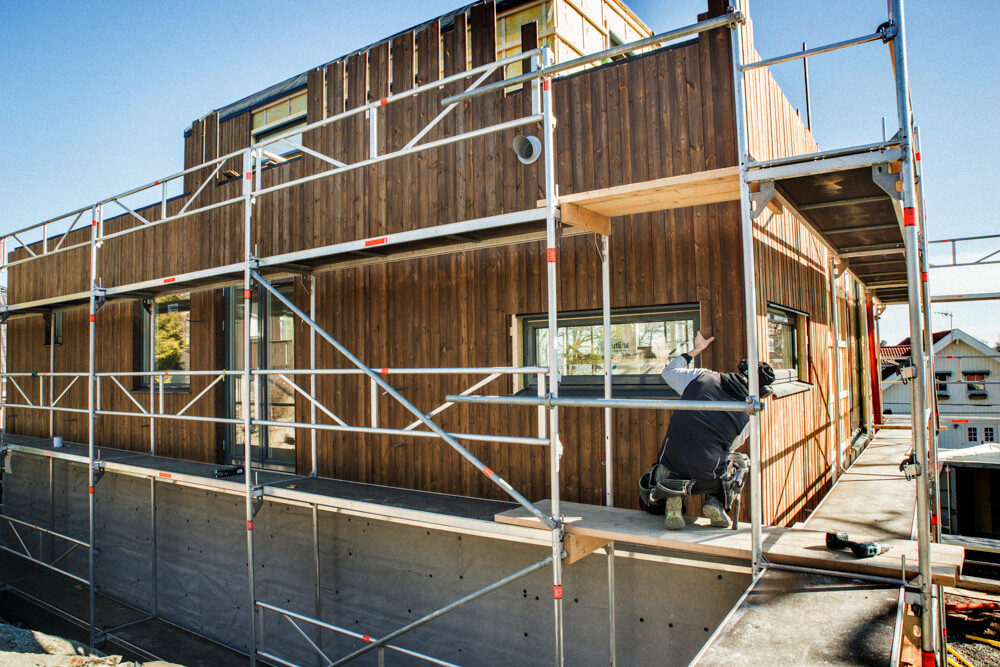
Looking for proven solutions and architectural inspiration for your projects? In this section we have gathered expert knowledge and real-life projects that will guide you step by step through the key stages of work on the facade and roof. Find out how to combine good looks with the maximum service life of the structure, drawing on the experience of professionals and ESSVE system solutions.
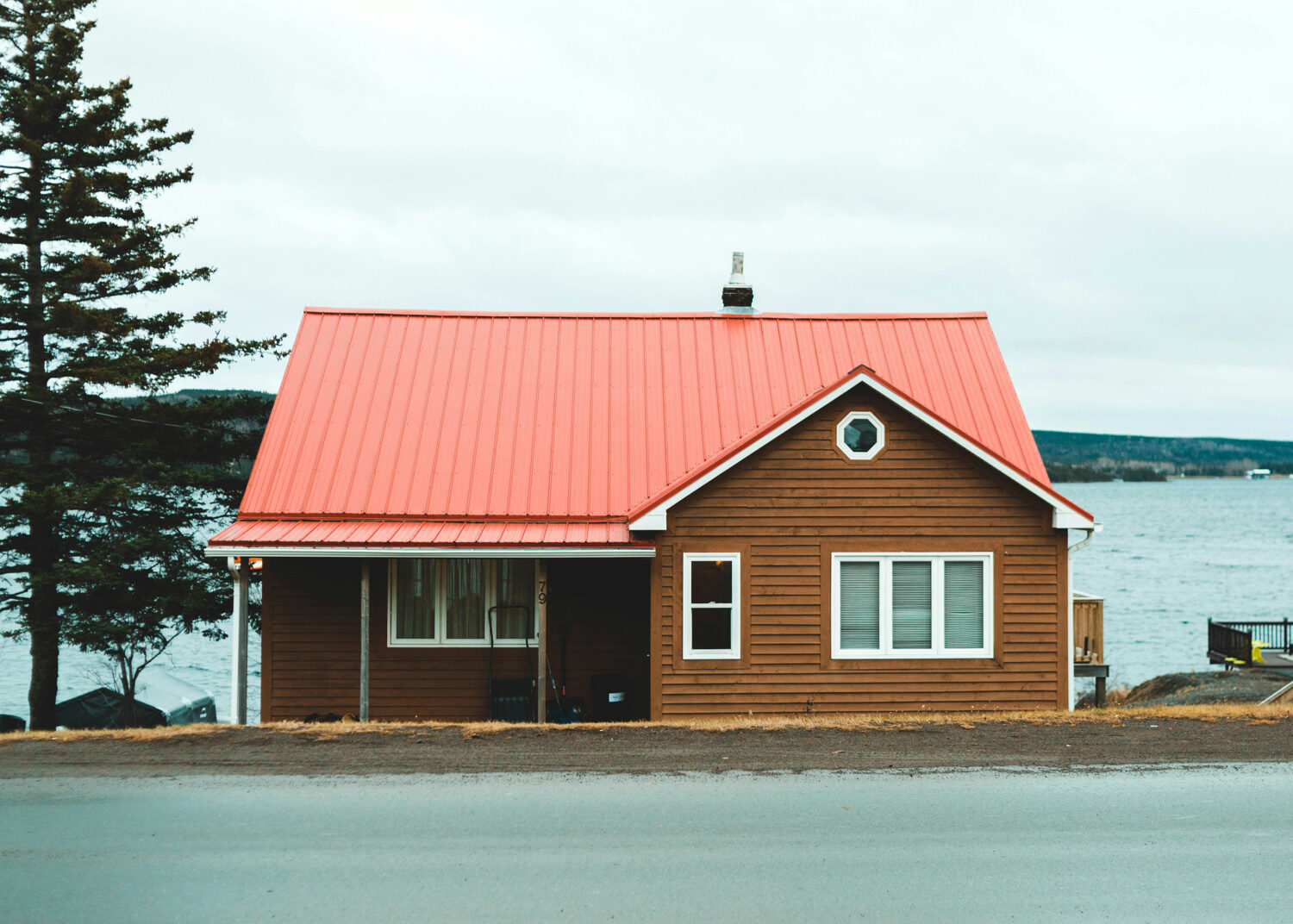 Questions and answers: building and installing a wooden facadeAre you about to build a wooden facade? We have put together an overview of the most frequently asked questions and answers to help you avoid structural mistakes and choose the best system solutions.
 Building a roof: the traditional board-on-board timber roof (faltak) reimaginedHow do you build a faltak – a board-on-board timber roof – in the traditional way while still meeting today’s requirements? Carpenter Daniel describes a roof on the island of Fårö where he combined the classic technique with modern materials and installation methods.
 How to avoid zinc staining on a wooden facadeZinc staining refers to the unsightly marks that can appear over time around nail or screw holes in the wood if you use the wrong screw. Here are a few tips on how to avoid it!
Choosing the installation method
Should facade cladding be nailed or screwed?
You can fix a wooden facade board in several ways: nail it with a nail gun or screw the cladding in place.
Advantages of screwing
If you choose screws, you have several more attractive options. ESSVE makes its facade screw with a countersunk head in four colour finishes (in addition to the polished one) and, to order, in any colour from the RAL chart, so you can match it to the colour of the board for a neat result. Another advantage of screwing is that you can easily loosen, tighten or remove the screw as needed when something on the facade has to be repaired or maintained. With nails this is much more difficult.
Advantages of nailing
If you install a wooden facade with a nail gun, installation is fast. A loaded nail gun means you do not have to pick up individual nails or lift and lower the tool after every fixing. If possible, choose stainless steel nails. If you decide to fix the facade board with hot-dip galvanised nails or nails with an M-Fusion finish, you must paint them for a lasting result.

Installing with screws
We offer two types of facade screws. One with a countersunk head, available in many colours and also in a strip collated version, and one with a cylindrical head, which has to be painted after installation.
 ESSVE Facade screw with cylindrical head 5.0 x 52 mm A4, pack of 250
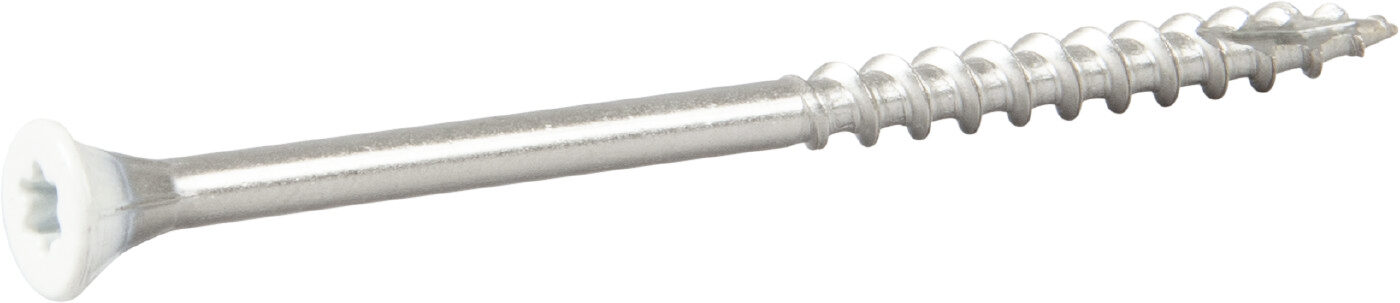 Facade screw, countersunk head, acid-proof stainless steel A4
 ESSVE Collated facade screw with countersunk head 4.2 x 45 mm A4, pack of 1000
 ESSVE Bit set XTR, 32 pcs 25 mm 32 pieces
 ESSVE Bit set XTR impact, 16 pcs 50 mm 16 pieces
 ESSBOX+ Organiser case for screws and tools
Installing with a nail gun
 ESSVE Cordless nail gun 34° G4 FNG 34/90
 ESSVE Pneumatic coil nail gun 15° CN 15/65
 ESSVE Pneumatic coil nail gun 15° CN 15/90
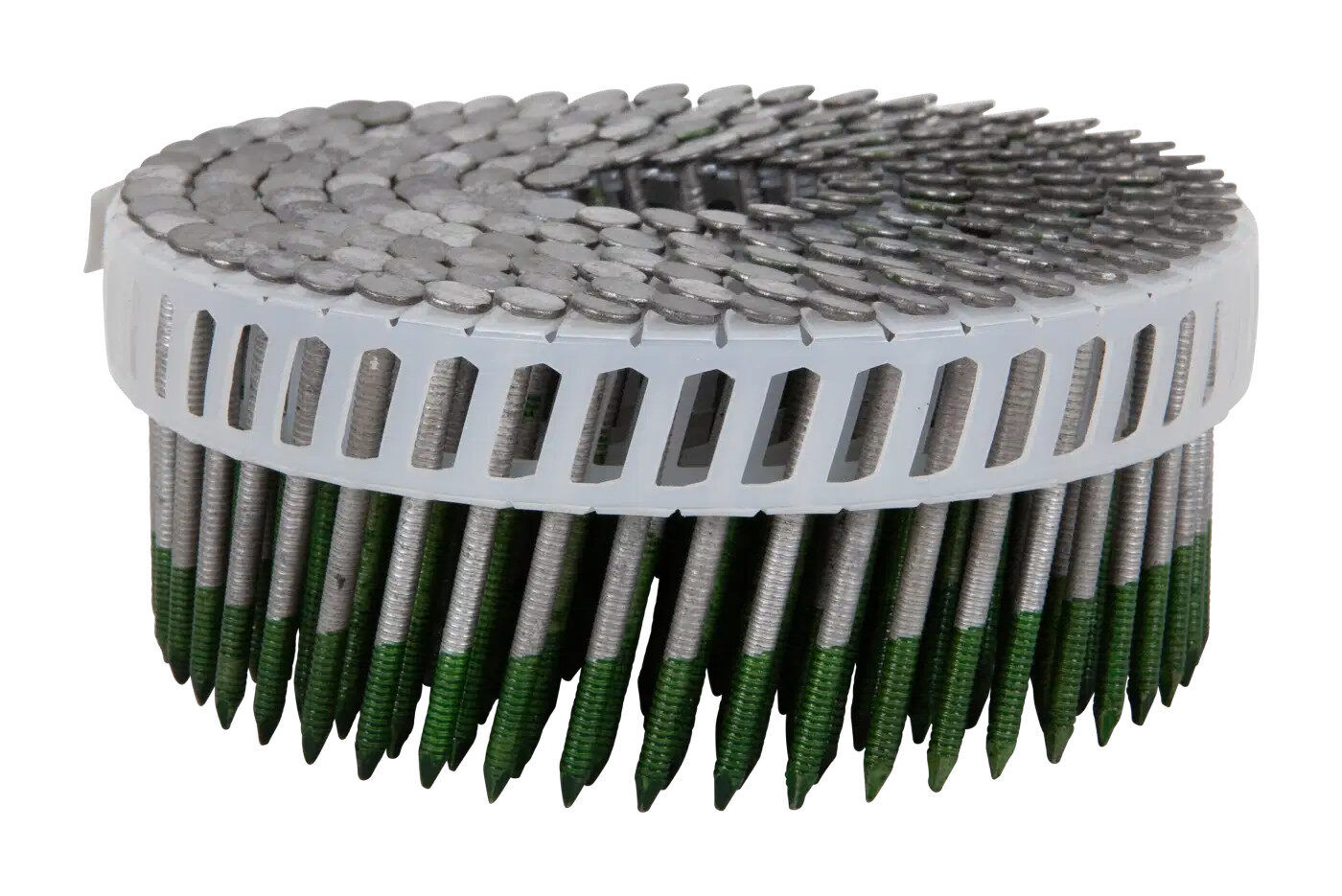 Ring shank nails 15°, coil collated, HDG
 ESSVE Ring shank nail, plastic coil 15° 2.8 x 55 mm A4, pack of 800
 ESSVE Ring shank nail, plastic coil 15°, RAL 3009 oxide red 2.8 x 48 mm A4, pack of 800
 ESSVE Ring shank nail, plastic coil 15°, RAL 7039 quartz grey 2.8 x 48 mm A4, pack of 800
 ESSVE Ring shank nail, plastic coil 15°, RAL 8014 sepia brown 2.8 x 48 mm A4, pack of 800
 ESSVE Ring shank nail, plastic coil 15°, RAL 8022 black brown 2.8 x 48 mm A4, pack of 800ESSVE Ring shank nail, plastic coil 15°, RAL 9010 pure white 2.8 x 48 mm A4, pack of 800
Nailing by hand
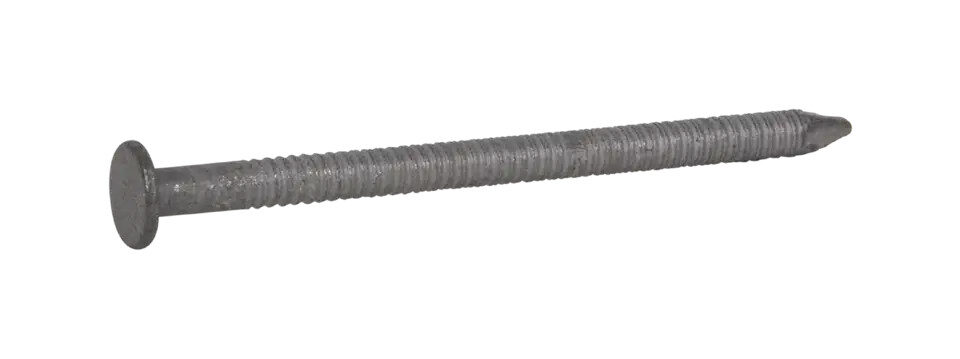
If you want to nail by hand, loose nails are available with a hot-dip galvanised finish (HDG) or in stainless steel A4. Both types are ring shank nails made to the Swedish technical requirements AMA Hus.

Do it yourself
Nail gun servicing
You can often service a nail gun yourself. On our YouTube channel we have put together a playlist of video guides on servicing and maintaining a nail gun and on simple fixes for common problems.

Installation tips
How to install a facade successfully
Zinc staining
To avoid discolouration around screw or nail holes, use stainless steel fasteners. All our facade screws are made of acid-proof stainless steel A4. There is no room for mistakes here.
When does a facade screw need to be painted?
If you install the cladding with our facade screw with a cylindrical head, the screw has to be painted so that the board is protected from the weather. The cylindrical head screw looks neat and discreet and is countersunk into the wood cladding. However, the screw has to be painted so that water does not get into the wood.
Do you need a building permit?
As a rule, renovating a facade does not require a building permit (a decision on the building project). A routine facade repair that does not change the appearance of the house can be done without a permit and without notification. Under Building Act No. 25/2025 Coll., renovating the building envelope is a building alteration that must be notified to the building authority in advance, for example for a listed cultural monument, for a building in a heritage conservation area, or when the work may affect the fire safety or stability of the building. So check with the building authority of your municipality before you start.

Buy ESSVE products at Zrubko.sk
The information in this guide is for guidance only. Follow the manufacturer's technical data sheet and the applicable standards; if in doubt, contact us.
The information reflects the Slovak Building Act No. 25/2025 Coll. as amended on 22 September 2026 and does not replace legal advice. Before starting work, check the requirements with the building authority of your municipality.