
What isocyanates are and why you should know about them
Why should you know about isocyanates?
When working with wood, it is important to know the materials you are working with. Adhesives and sealing compounds are essential in many projects, but many people do not think about the chemicals they contain. One frequently discussed topic in the construction industry is isocyanates. So what are isocyanates, and why do we at ESSVE develop products with a lower isocyanate content or none at all?

What are isocyanates?
Isocyanates are a group of chemical substances used mainly in the manufacture of polyurethane products. Polyurethane is found everywhere – from building materials to furniture and insulation. In construction, isocyanates are commonly used in adhesives, sealing compounds, foams and varnishes because they bond extremely well and create a strong and durable seal.
The problem is that when these substances are used or released during application or heating, they can be hazardous if inhaled or if they come into contact with the skin. All professionals who frequently work with products containing isocyanates must keep this in mind.
The risks of isocyanates
- Asthma and respiratory diseases: Isocyanates can cause occupational asthma. Even small amounts can trigger inflammation and breathing difficulties, and long-term exposure significantly increases this risk.
- Allergic reactions: Skin contact with isocyanates can cause allergic rashes and eczema. In people who develop a sensitivity to these substances, even low doses can trigger severe reactions.
- Long-term health effects: Long-term exposure can lead to chronic respiratory diseases, which makes work harder for carpenters and other tradespeople.
Given the risks of isocyanates, it is worth thinking about which products you use. Many manufacturers in the construction industry are actively developing products with a reduced isocyanate content or none at all.

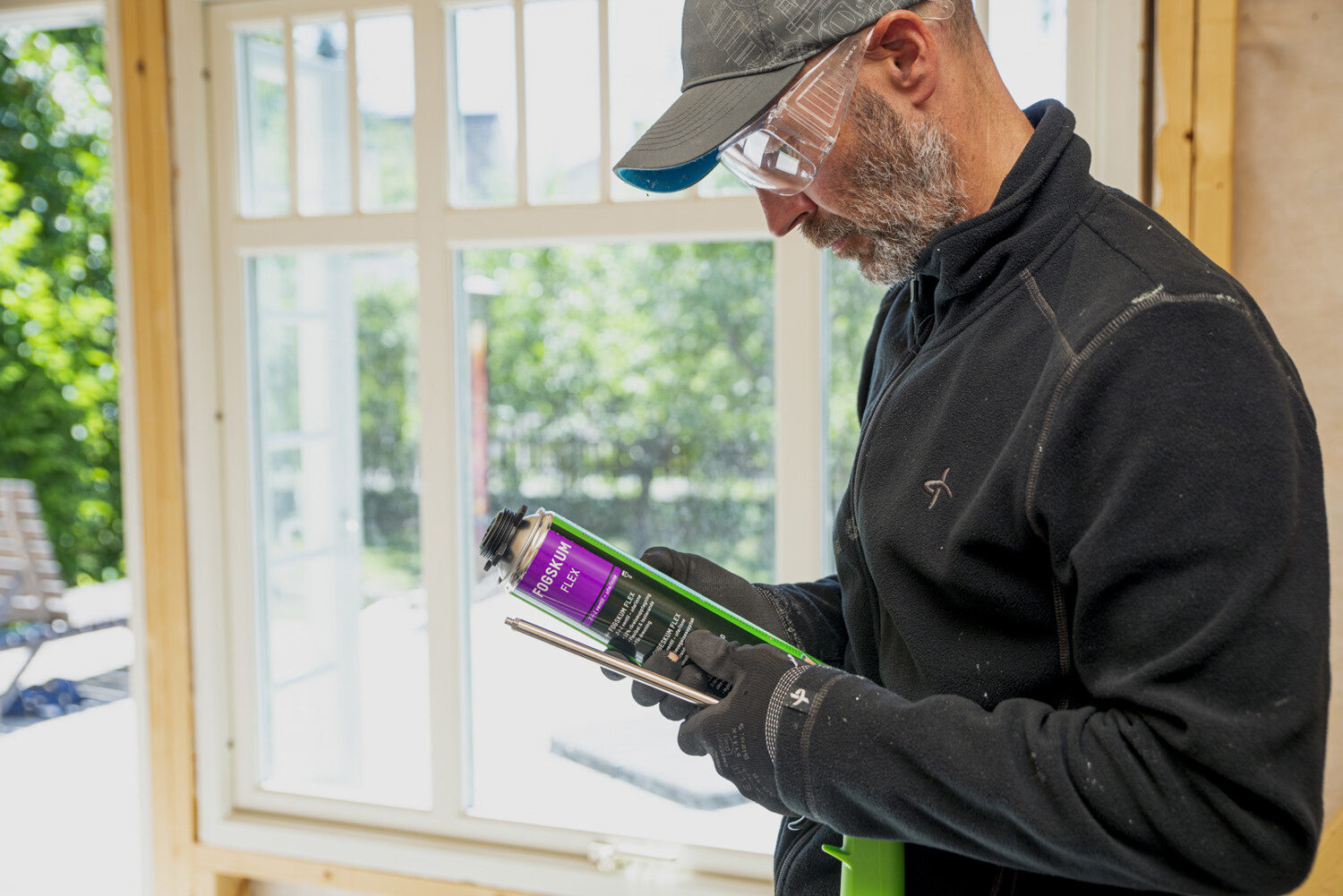
What can you do yourself?
- Read product labels carefully: Always check the safety data sheet (SDS) and find out whether the product contains isocyanates and whether special protective measures are needed.
- Mandatory training: Since 24 August 2023, anyone who works industrially or professionally with products containing 0.1 % by weight or more of diisocyanates, or who supervises such work, must successfully complete training on the safe use of diisocyanates before starting work. The training is provided by the employer or the self-employed person and is repeated at least once every five years (Commission Regulation (EU) 2020/1149, REACH, Annex XVII, entry 74).
- Use the protective equipment stated in the product's safety data sheet (usually protective gloves and goggles and, if ventilation is inadequate, respiratory protection) if you have to work with such products.
- Choose isocyanate-free alternatives: Several manufacturers now offer isocyanate-free adhesives and sealing compounds that can be just as effective and at the same time safer.
Working with wood often means working with chemicals, so it is important to know the risks and make informed decisions. As a professional, you have the opportunity to make sensible choices – for yourself and for future generations.
New! Products without isocyanates or with a content below 0.1 %
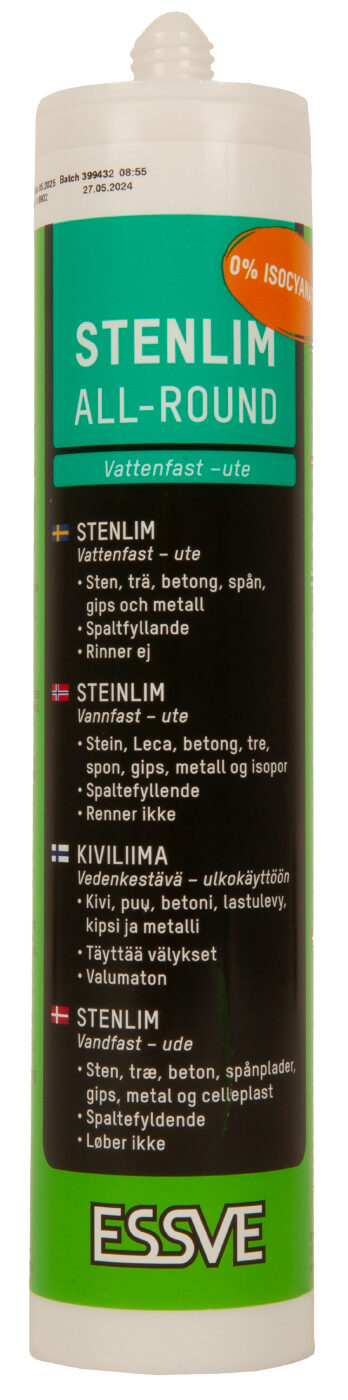
Stone adhesive All-Round contains no isocyanates at all, and Foam Expand contains less than 0.1 %. You can therefore use them without the mandatory training on handling diisocyanates. The guns and cleaning wipes in the list are accessories for them.




The information in this guide is for guidance only. Follow the manufacturer's technical data sheet and the applicable standards; if in doubt, contact us.