
Build a sustainable deck
5 tips for building an eco-friendly deck
When you build a deck, think about its direct impact on the environment and the climate where it stands, as well as about its service life. What you buy directly affects whether the deck structure will be correct and precise – and whether the timber deck will last for years. Read our 5 tips!
1. Remember ecology when choosing wood
Choose the wood
Ask your contractor where the wood comes from. Unlike exotic wood, locally sourced wood is kinder to the climate.
Wood labelling
Only wood that is harvested and processed in line with all ecological principles is awarded FSC or PEFC certification.
Eco-friendly wood preservative
When choosing wood for your deck, bear in mind that you can choose an environmentally friendly wood preservative without chemical additives. All the waste from the build can then be recycled.

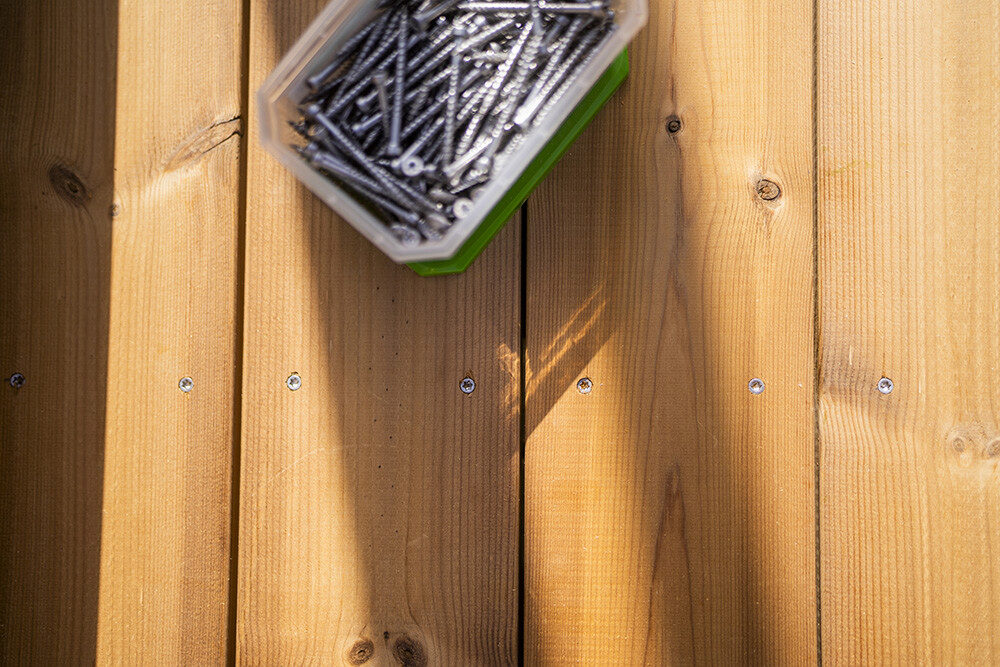
2. Use only stainless steel screws
When choosing screws for installing your deck, bear the following in mind:
Buy stainless steel screws
Stainless steel screws are highly resistant to corrosion, so they are suitable for almost any environment. They are also more ductile and therefore better at absorbing the stresses that arise in timber structures. ESSVE offers screws in both A2 and A4 stainless steel – the choice depends on the location of the deck, the type of wood and the deck structure.
Always buy only the quantity you need
Buying too many screws is not eco-friendly and needlessly increases costs. Screw production is energy-intensive and puts a burden on the environment.
Choose your favourite screw
The ESSDECK Max screw is made of strong steel and has a small, discreet head and a high clamping force. The screw is made of both A2 stainless steel and A4 acid-proof stainless steel.


3. Deck substructure
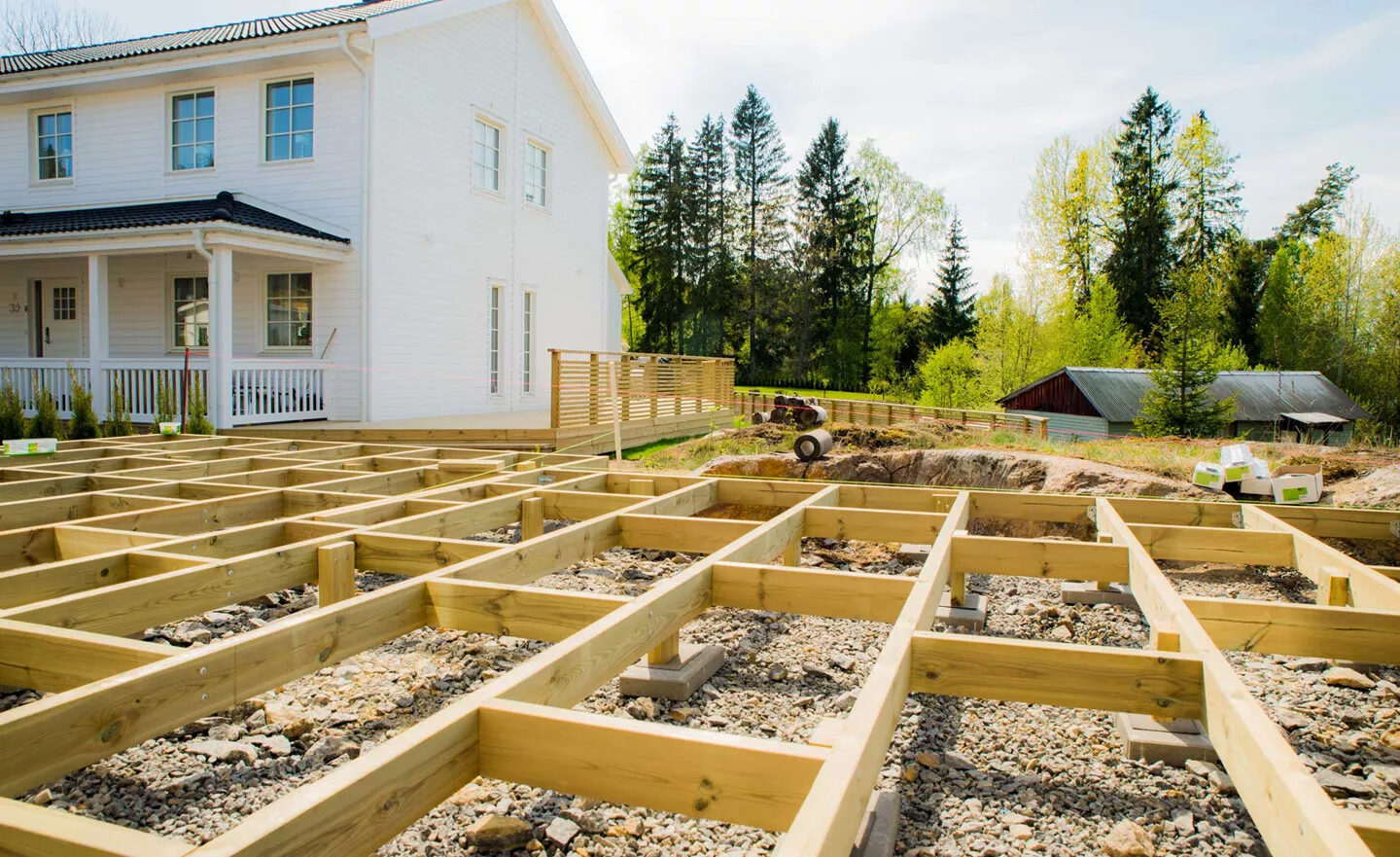
A strong, well-built substructure lasts much longer than the decking boards. Often you only need to replace the boards and the deck looks as good as new.
Tip!
The Swedish industry association Svenskt Trä recommends laying bitumen insulation under the joists, which protects them even better from moisture and extends the service life of the substructure.

4. Install decking boards with the correct gaps
The wood of a deck swells and shrinks throughout its service life as humidity and temperature change. If you want to build a durable timber deck, you have to allow for the nature of wood – that is why it is important to install decking boards with the correct spacing.
If you do not keep the correct spacing between adjacent boards, the boards can lift and the screws holding them can snap.
The Swedish industry association Svenskt Trä recommends laying the boards with the correct spacing so that the gaps are right in both dry and wet weather. The edge-to-edge spacing depends on the board dimensions and the type of wood. You can read more in the article below.
5. Clean and maintain
One of the most important factors affecting the service life of a deck is how it is cleaned and maintained. Follow your timber supplier's recommendations.
Bear in mind!
If you plan to use chemicals to maintain the deck or road salt in winter, the only right choice for fixing the decking boards is stainless steel screws.

Recommended articles

Why stainless steel screws?
When should you choose screws made of stainless steel A2, and when acid-proof stainless steel A4?
Guide to the deck substructure
In the first part of our deck building guide you will learn how to build a good substructure for a timber deck.

Correct installation of decking boards
The last step of our decking board guide sums up all of Svenskt Trä's recommendations for installing them correctly.

Everything for your deck at Zrubko.sk
Here you will find everything you need to build a deck – screws, hardware and wood.