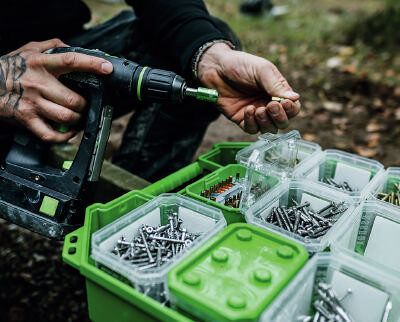
Nails or screws for a wooden facade? How to choose the right fixing
Nails or screws for a wooden facade?
Whether you nail or screw the wood cladding in place largely depends on personal preference. In this step, however, we present the advantages of both installation methods.
Advantages of installing a wooden facade with nails
Nailing has for years been one of the most common ways of fixing facade boards. Many installers choose nails especially when renovating older buildings, where they make it possible to preserve the traditional character of the structure and the original way the facade was installed.
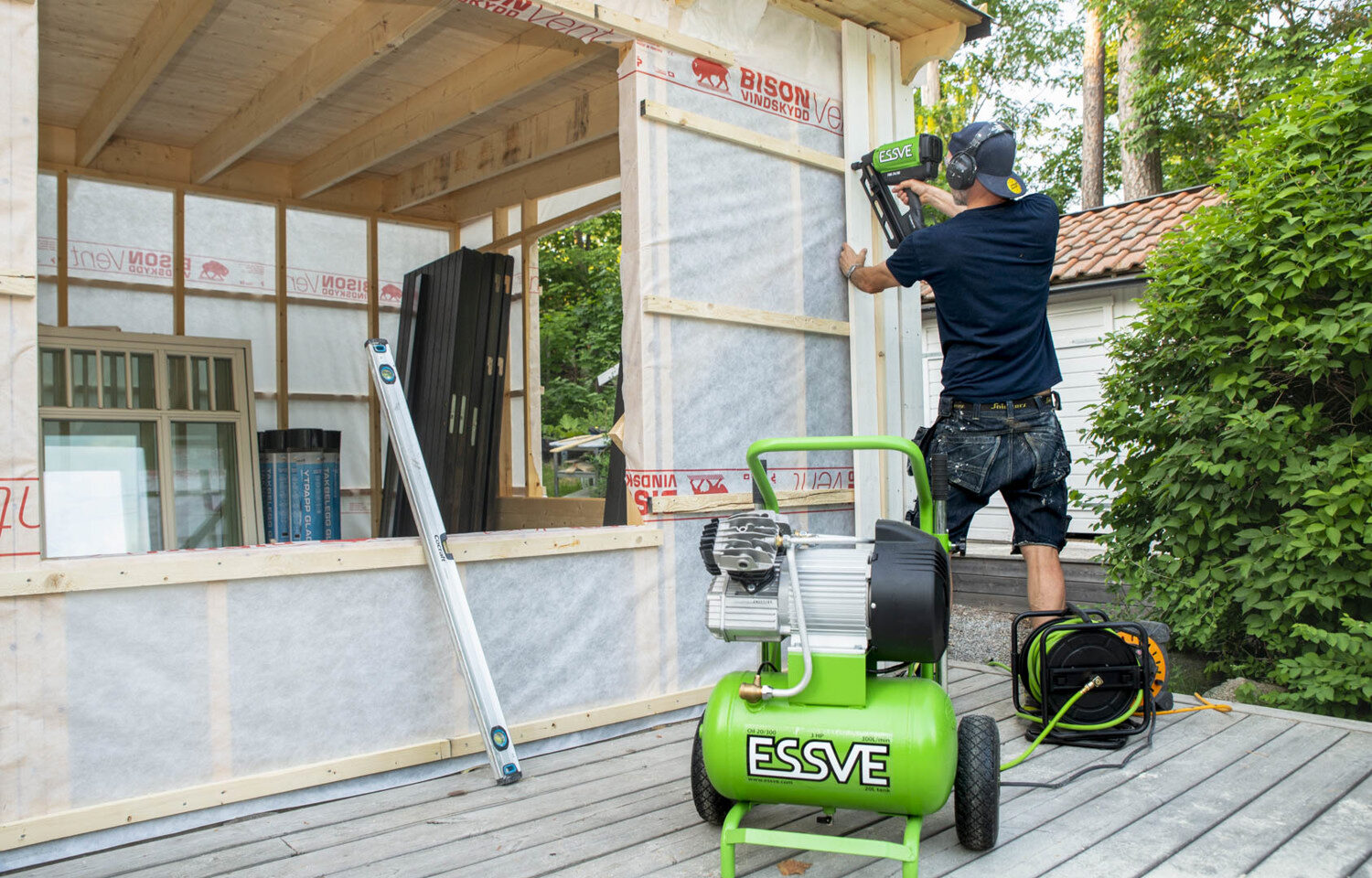
A big advantage of nails is the speed of work. With a pneumatic or gas nail gun, large areas of facade can be installed quickly, which is especially important on larger buildings. Correctly chosen facade nails create a durable joint with high resistance to loads during the use of the building.
When choosing nails for exterior use, pay attention to the material. In environments exposed to moisture, precipitation and temperature changes, stainless steel nails perform best, as they reduce the risk of both corrosion and discolouration of the wood.

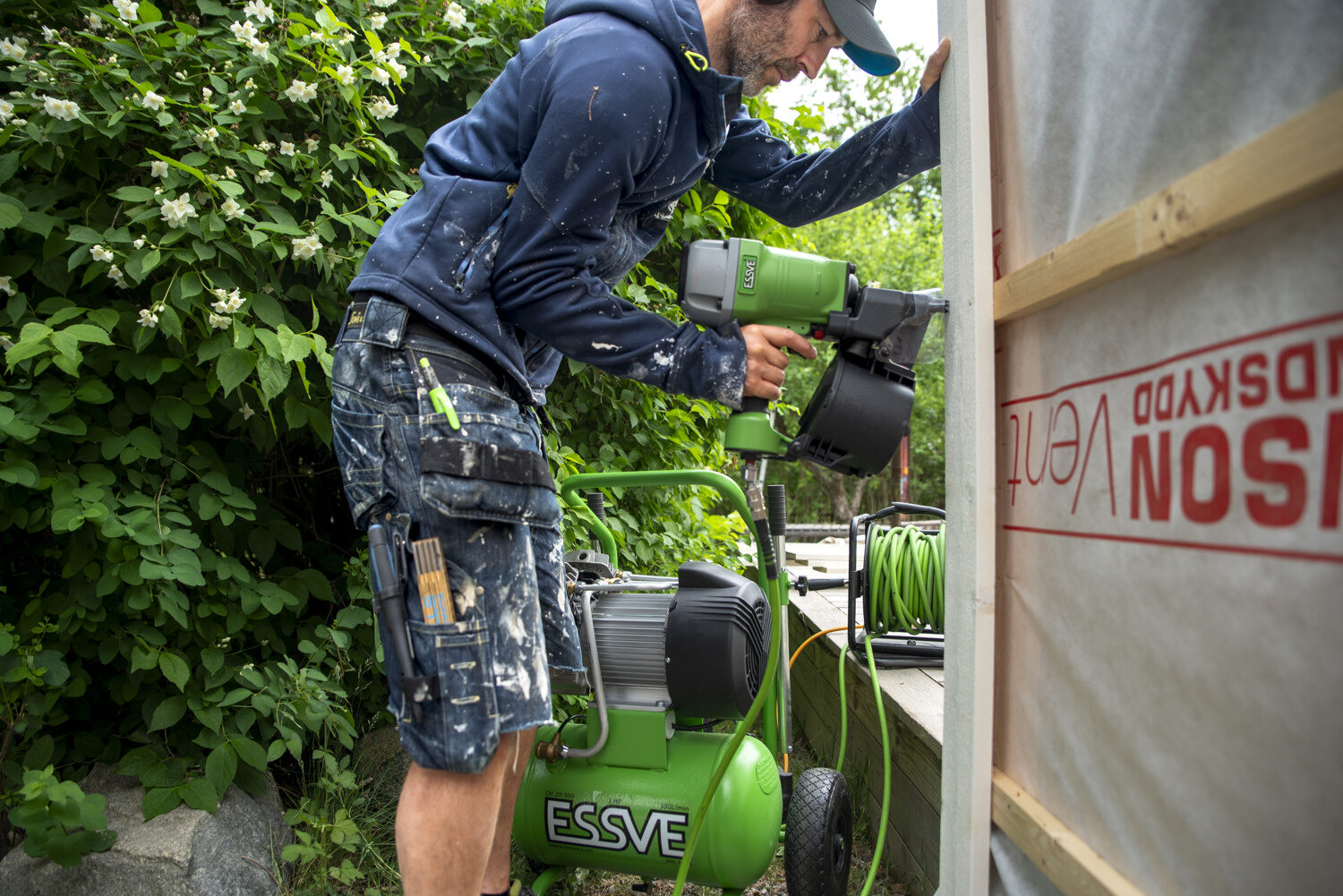
By hand or with a nail gun?
The choice between nailing by hand and using a nail gun depends mainly on the scope of the work, the installer’s experience and the desired pace of installation. Both methods ensure a durable fixing of a wooden facade, but they differ in convenience and output.- Nail gun: Installing with a nail gun is much faster than nailing by hand, which is why professional installers like to use it. With a nail gun you can quickly fix board after board and maintain a high output even on large facade areas.
- Nailing by hand: When installing by hand, you have more control over how each nail is set. It works well especially for renovations, when installing individual elements and in places where great precision is required.
- Correctly set driving depth: When working with a nail gun, pay particular attention to setting the driving depth. A nail driven too deep can leave dents in the wood and spoil the look of the finished facade. Experienced installers therefore often set the depth so that they can finish driving the nail by hand with a hammer.
Tip! ESSVE 15° stainless steel facade nails come in several versions with lacquered heads, so you can match the colour of the nail to the wood cladding.
Facade nails for a wooden facade
If you want to nail by hand, hot-dip galvanised HDG facade nails (C3) and stainless steel facade nails (C5) are available. Both are ring shank nails designed to the Swedish technical requirements AMA Hus. Galvanised nails (C3) have to be painted after installation.

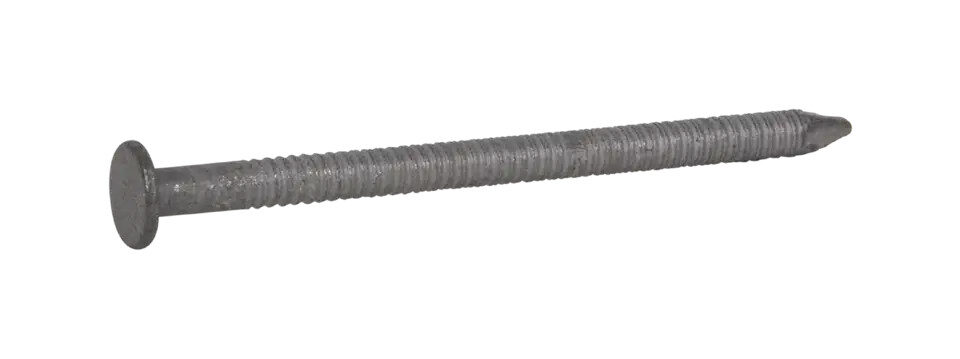
Nail gun nails for installing facades
Our strip collated facade nails are made in lengths that meet the Swedish technical requirements AMA Hus. You can choose galvanised facade nails or stainless steel nails. The stainless steel nails come in many colours!
 ESSVE Cordless nail gun 34° G4 FNG 34/90
 ESSVE Pneumatic coil nail gun 15° CN 15/65
 ESSVE Pneumatic coil nail gun 15° CN 15/90
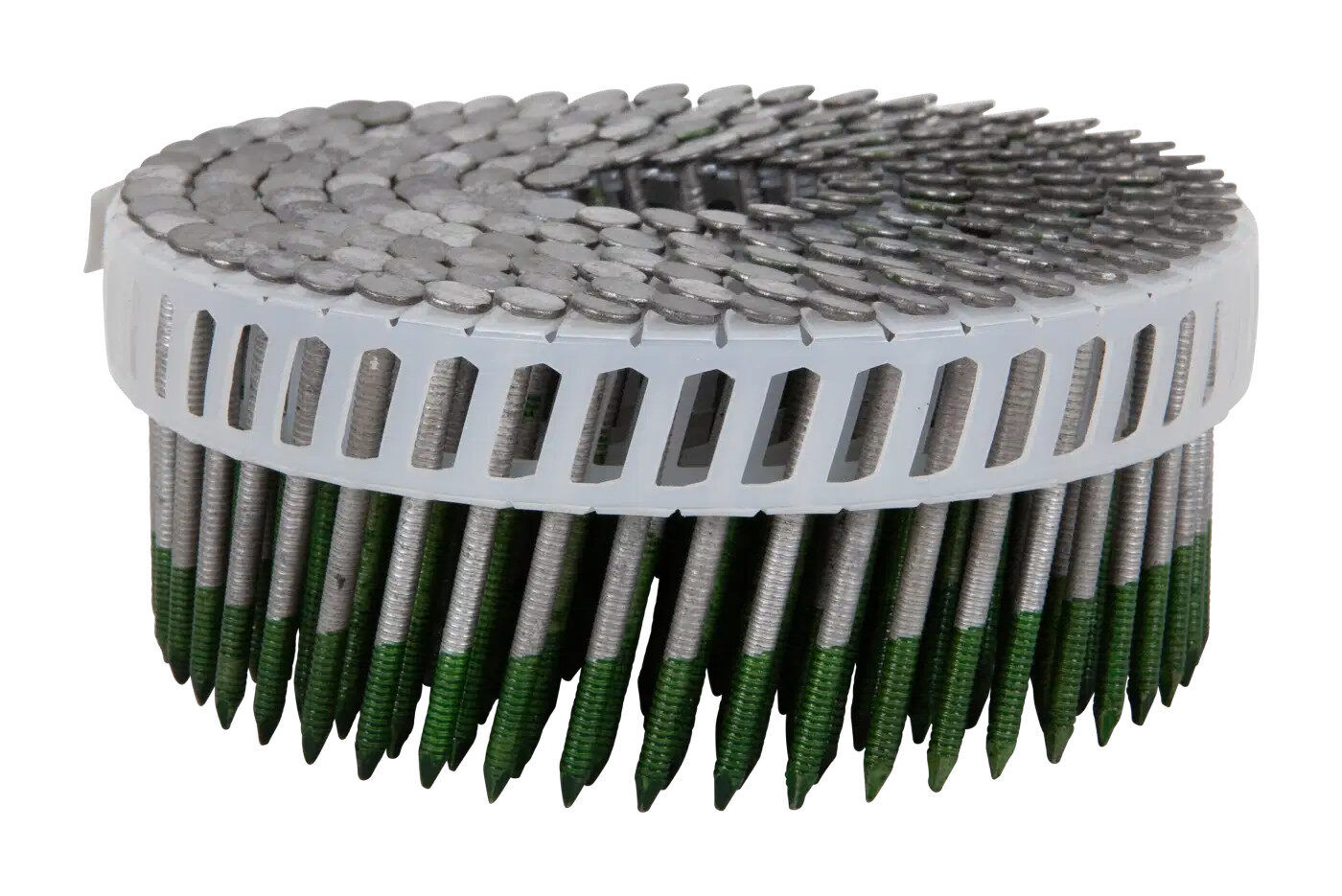 Ring shank nails 15°, coil collated, HDG
 ESSVE Ring shank nail, plastic coil 15° 2.8 x 55 mm A4, pack of 800
 ESSVE Ring shank nail, plastic coil 15°, RAL 3009 oxide red 2.8 x 48 mm A4, pack of 800
 ESSVE Ring shank nail, plastic coil 15°, RAL 7039 quartz grey 2.8 x 48 mm A4, pack of 800
 ESSVE Ring shank nail, plastic coil 15°, RAL 8014 sepia brown 2.8 x 48 mm A4, pack of 800
 ESSVE Ring shank nail, plastic coil 15°, RAL 8022 black brown 2.8 x 48 mm A4, pack of 800ESSVE Ring shank nail, plastic coil 15°, RAL 9010 pure white 2.8 x 48 mm A4, pack of 800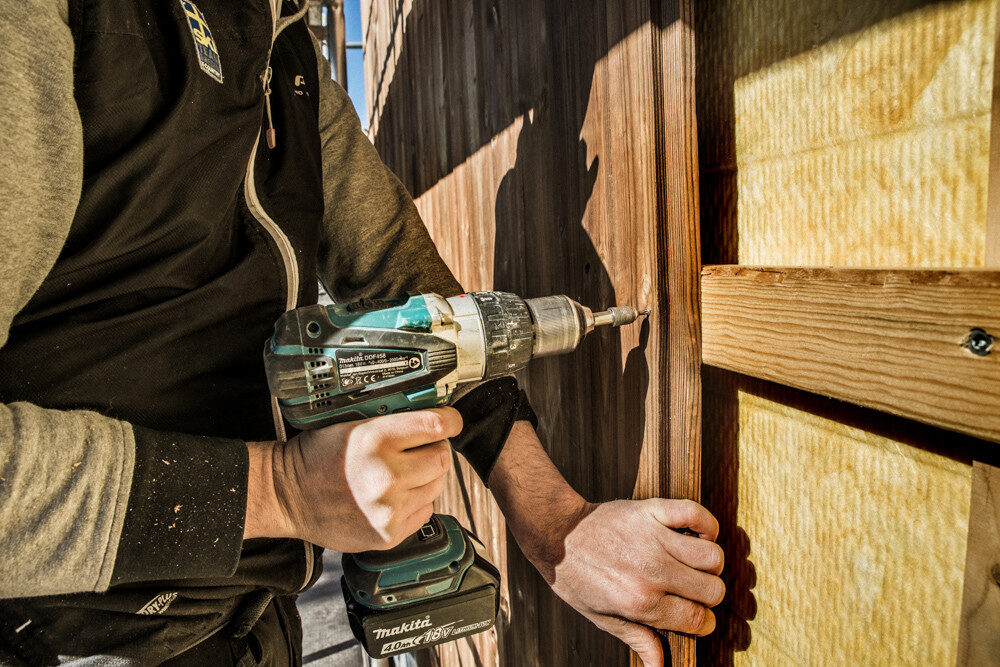
Advantages of installing a wooden facade with screws
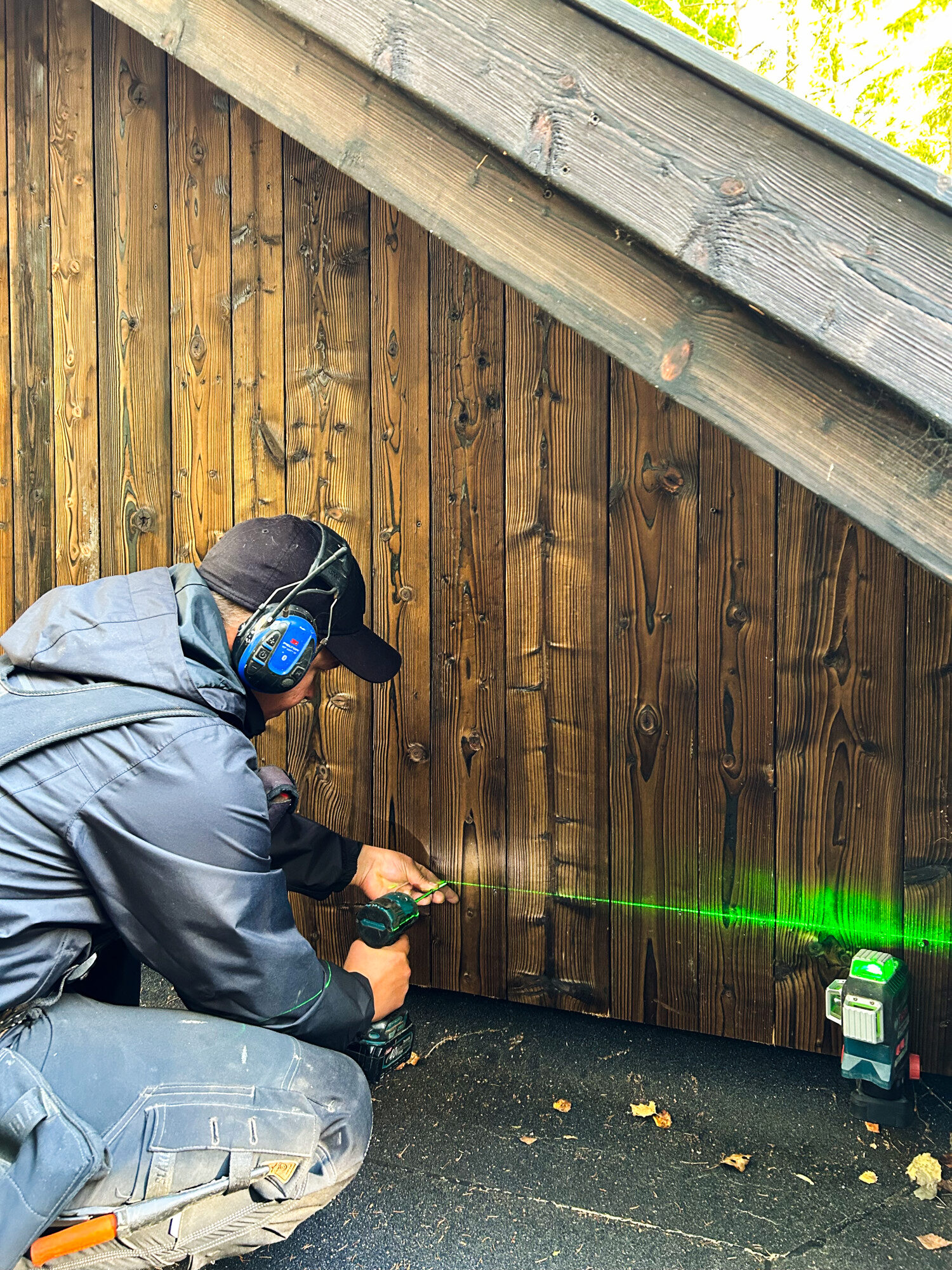
- The advantage of screws is that you can easily unscrew a screw and remove the board without any trouble and without damage when something on the facade needs maintenance.
- Our range includes facade screws with heads in many colours, so you can match them discreetly to the cladding during installation.
- All the facade screws in our range are made of stainless steel, so no zinc staining appears on the facade.
When are facade screws worth it?
Facade screws are an exceptionally good solution wherever it is important to be able to remove individual boards later without damaging the facade. This makes future servicing, repairs and maintenance easier.
- Easy removal of facade elements: The biggest advantage of screws is that they can be unscrewed. When you need to replace a single board or get to the layers behind the facade, you remove only the selected elements and leave the rest of the structure undisturbed.
- Easier maintenance: Facades fixed with screws are easier to maintain. You can remove, repair or replace a damaged element as needed without touching the neighbouring boards.
- Replacing individual boards: Screws are particularly useful in places heavily exposed to the weather, where individual facade elements are at risk of damage. When a board can be replaced quickly, future repairs are smaller and quicker.
- Bonus – a good look: Modern facade screws are made in many colour finishes, so you can match their look to the colour of the wood or the surface finish of the facade. Stainless steel also reduces the risk of zinc staining on the facade surface.
Stainless steel facade screws
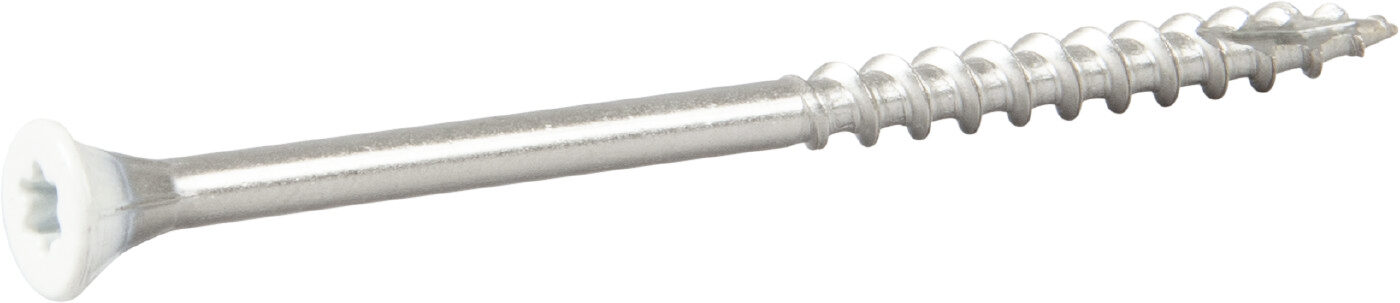
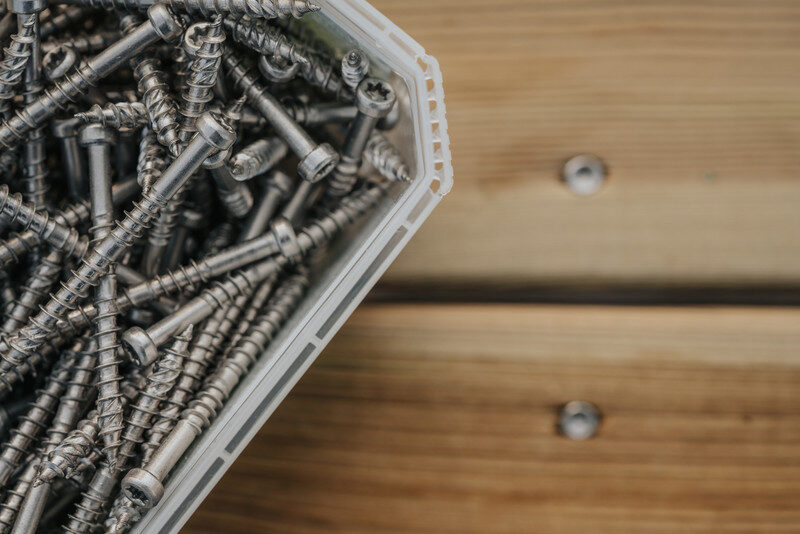
If you want to use screws, stainless steel facade screws are available in two versions – with a cylindrical head and with a countersunk head. The countersunk head screws come in many colours and also in a strip collated version. All are made of stainless steel grade A4.




Use our guide
6 steps to correct installation ⮕
The right length and number
Fix the cladding correctly and make use of our help with the calculations.
Installing the cladding
A simple guide to installing wood cladding. Advice and information.