
Preparing a wooden facade for installation – materials, tools and substrate
Preparing wood cladding for exterior use
Before you start installing wood cladding on a facade, it is essential to have the right materials and tools and to prepare the substrate. Below we go through what to bear in mind for a durable, attractive and professional result.
Do you need a building permit to replace a facade?
As a rule, replacing facade cladding does not require a building permit (a decision on the building project). Under Building Act No. 25/2025 Coll., renovating the building envelope is a building alteration that has to be notified to the building authority in advance only in cases set by law – for example for a listed cultural monument, for a building in a heritage conservation area or in a protected area outside the built-up area of the municipality, or when the work may endanger the fire safety or the mechanical resistance and stability of the building.
Before starting work, check with the building authority of your municipality whether this applies to you and whether the project complies with the municipality’s land-use plan. If the work has to be notified, do so in advance – the building authority deals with the notification within 30 days.
Before starting work, it is worth discussing the planned work with the local authority to make sure that no further formalities are needed.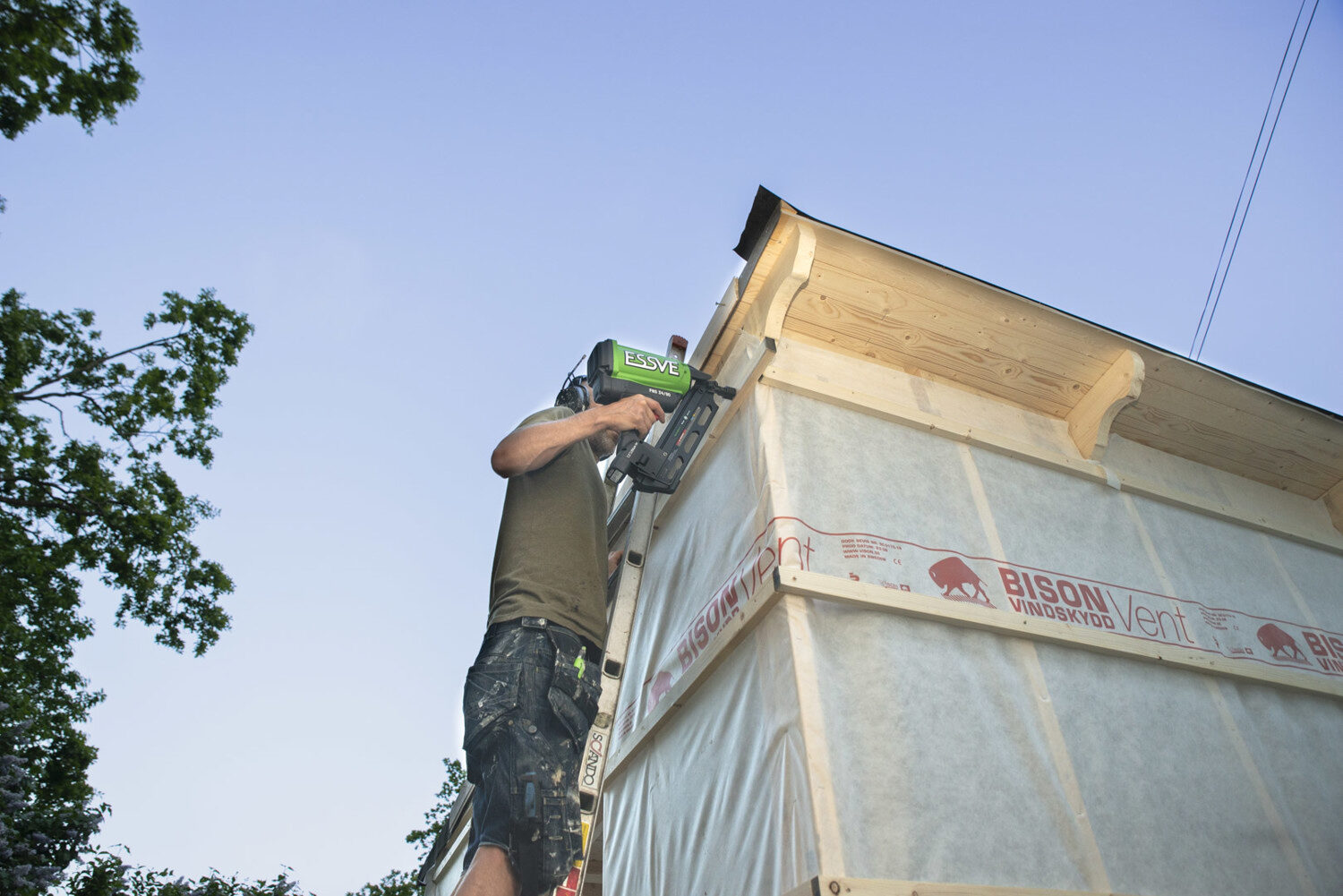
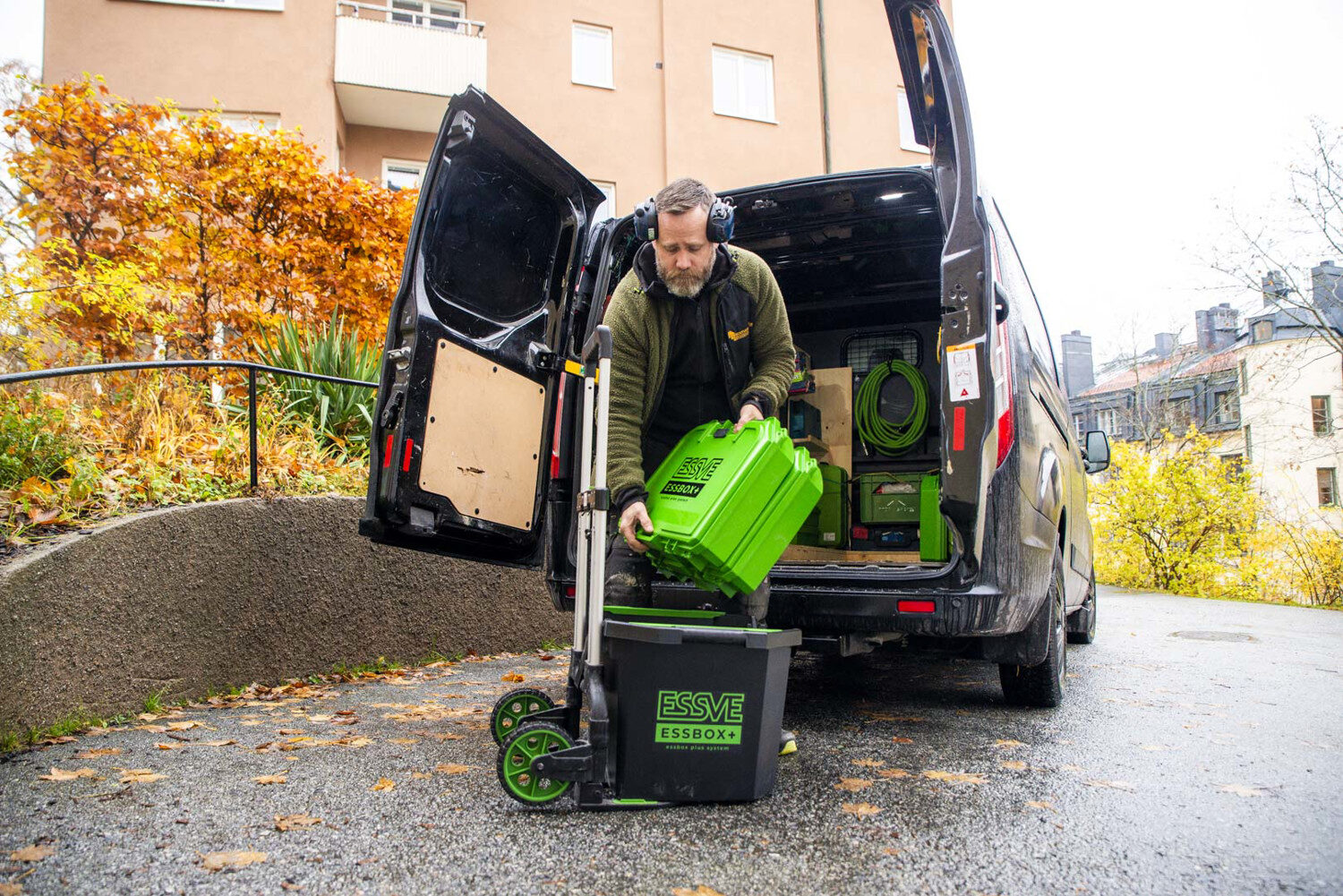
Tools for installing a wooden facade
Tools you need for installation:
- A circular saw or a saw for rip and cross cuts, so that the cuts are accurate
- A laser or a spirit level, so that the installation is straight
- A nail gun or a cordless screwdriver
- Measuring tools (tape measure, square)
- A hammer and a pry bar (for straightening and dismantling)
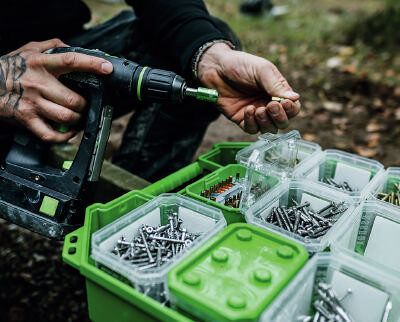
- A storage and organisation system for materials and tools (we naturally recommend the ESSBOX+ system)
Which fasteners should you choose for a wooden facade?
- Stainless steel nails or screws are especially important in places exposed to the weather.
- If you plan to paint the wood cladding after installation, you can use zinc-plated fasteners. If the cladding will not be painted, zinc-plated nails can discolour the wood.
Stainless steel fasteners
Stainless steel cladding nails and facade screws are always a safe choice.
 ESSVE Ring shank nail 2.8 x 48 mm A4, pack of 250
 ESSVE Ring shank nail, plastic coil 15° 2.8 x 55 mm A4, pack of 800
 ESSVE Ring shank nail, plastic coil 15°, RAL 3009 oxide red 2.8 x 48 mm A4, pack of 800
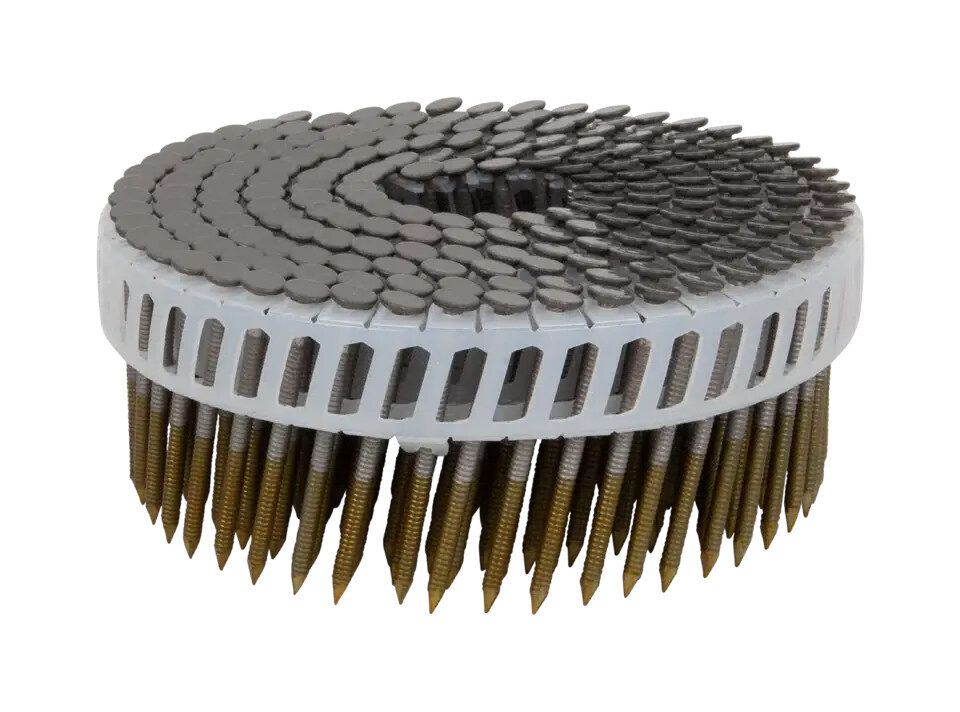 Ring shank nails 15°, coil collated, stainless steel A4, RAL 7016
 ESSVE Ring shank nail, plastic coil 15°, RAL 7039 quartz grey 2.8 x 48 mm A4, pack of 800
 ESSVE Ring shank nail, plastic coil 15°, RAL 8022 black brown 2.8 x 48 mm A4, pack of 800ESSVE Ring shank nail, plastic coil 15°, RAL 9010 pure white 2.8 x 48 mm A4, pack of 800
 ESSVE Facade screw with cylindrical head 5.0 x 52 mm A4, pack of 250
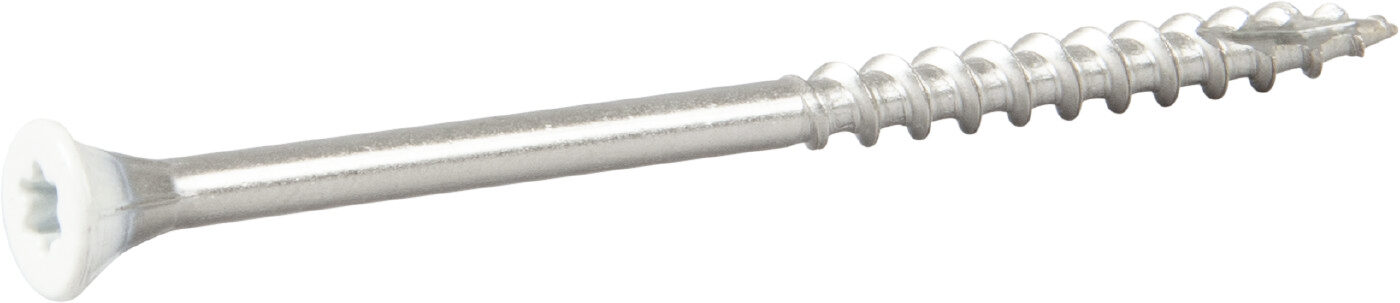 Facade screw, countersunk head, acid-proof stainless steel A4
 ESSVE Collated facade screw with countersunk head 4.2 x 45 mm A4, pack of 1000
Preparation is the basis of a durable installation
- Check the facade! If you are replacing the facade of an existing building, check it thoroughly – all surfaces must be flat, dry and in good condition. Remove old cladding or elements damaged by mould.
- Preparing the structure for installing the facade
- For vertical cladding: a horizontal batten to nail to.
- For horizontal cladding: a vertical batten to nail to.
- For board-and-batten cladding: cross battens that provide both load-bearing capacity and ventilation.
- Ensure good ventilation behind the cladding – leave a ventilation gap at least 20 mm wide.
- Protection against moisture – before installing the cladding, lay a vapour-permeable wind barrier (windproof building paper or windproof membrane) – not a vapour barrier.
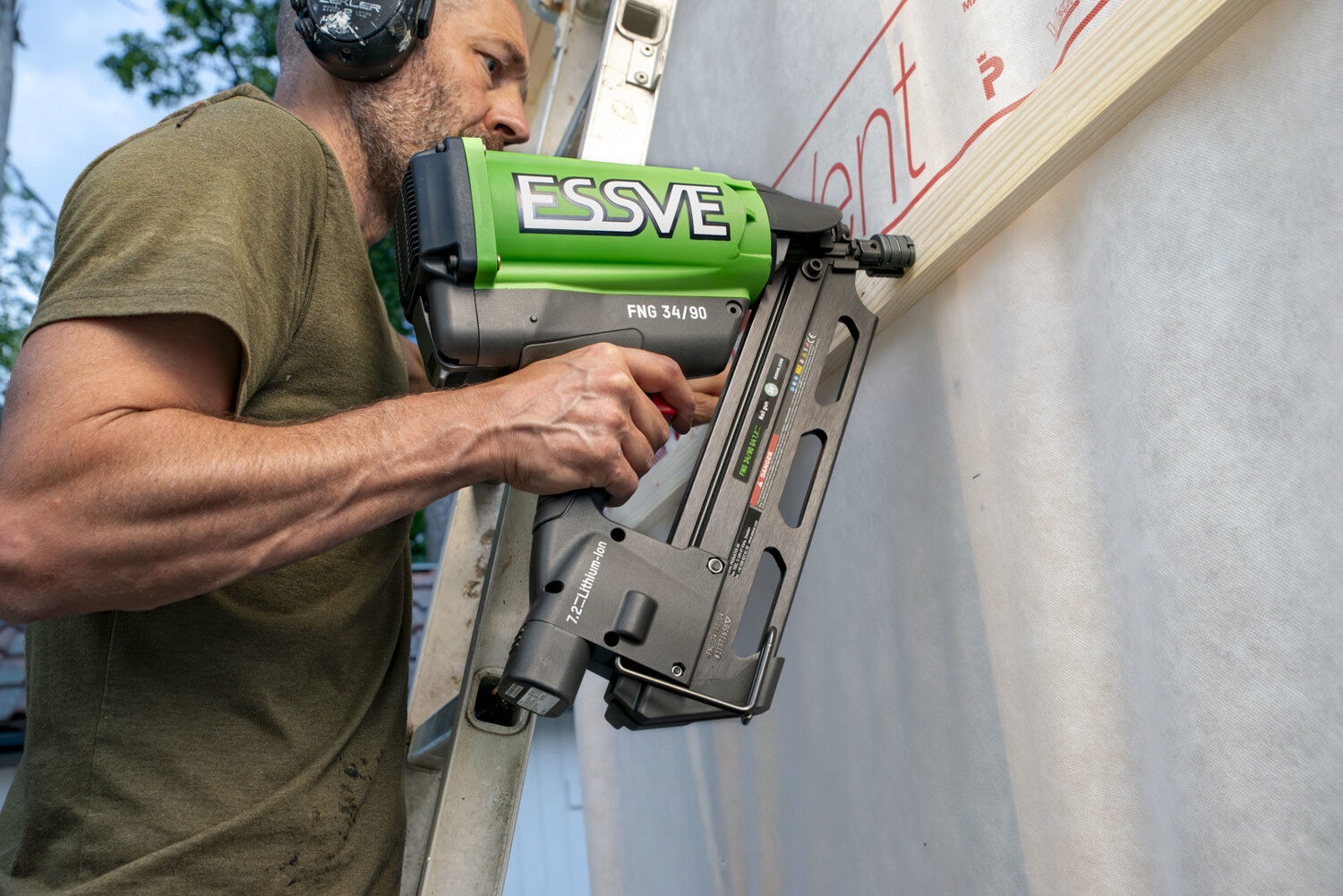

Use our guide
6 steps to correct installation ⮕
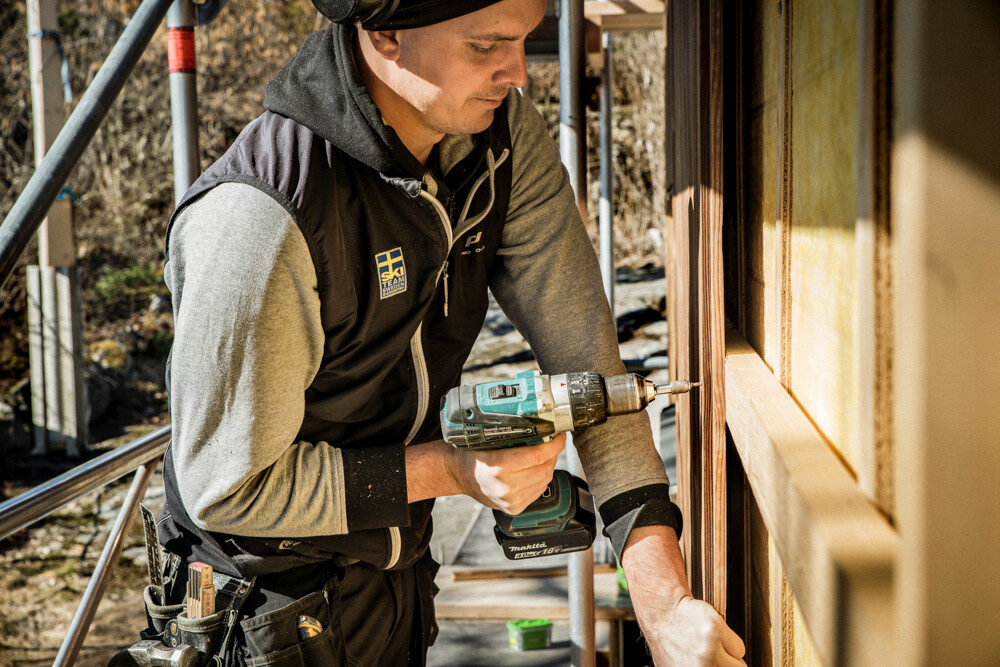

The right length and number
Fix the cladding correctly and get help with the calculations.
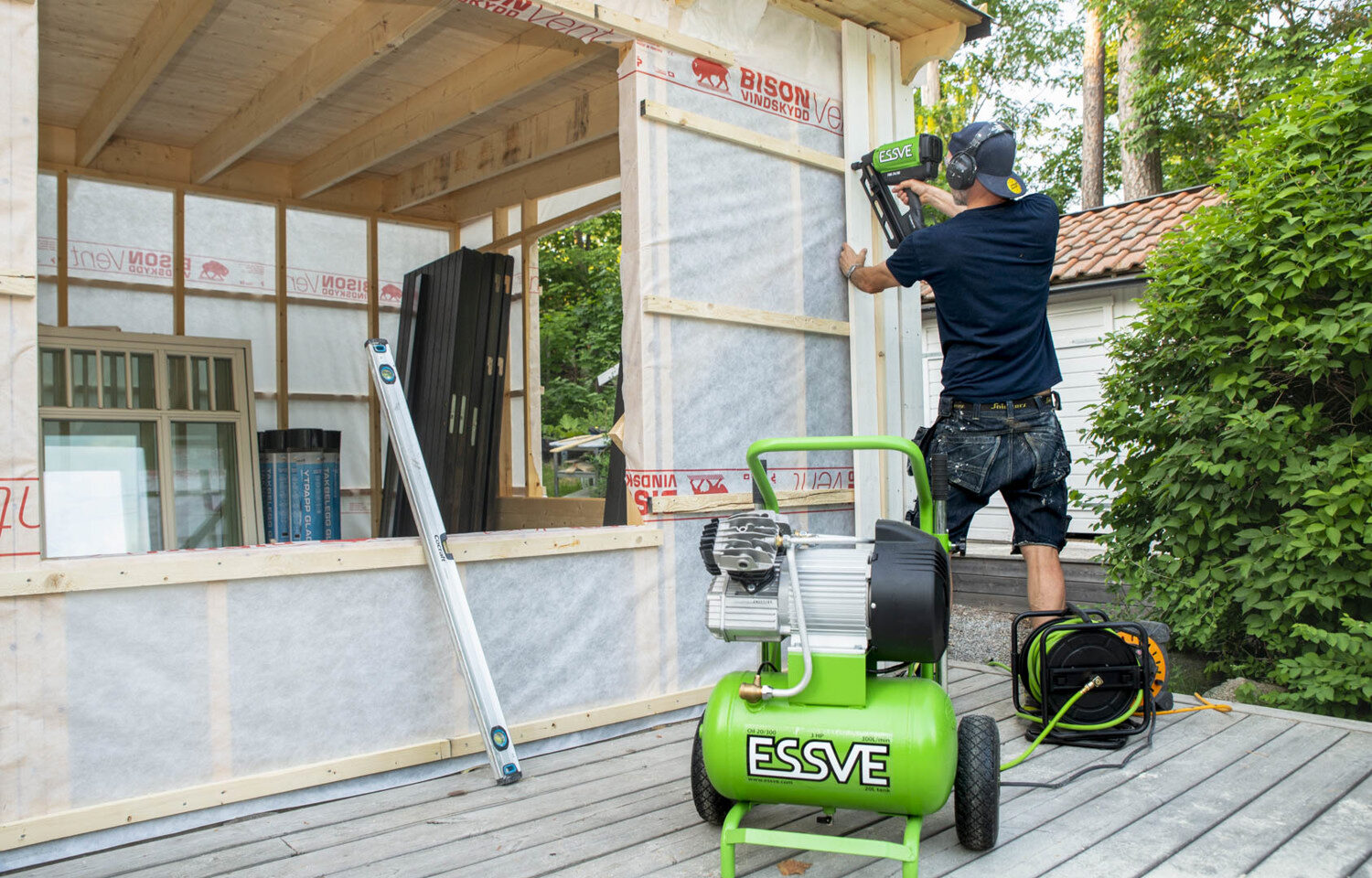
Installing the cladding
A simple guide to installing wood cladding. Advice and information.
How do you prepare a wall for installing a wooden facade?
Which tools do you need to install a wooden facade?
How wide should the ventilation gap behind a wooden facade be?
Does a wooden facade need protection against moisture underneath?
How do you build the structure for installing a wooden facade?
The information in this guide is for guidance only. Follow the manufacturer's technical data sheet and the applicable standards; if in doubt, contact us.
The information reflects the Slovak Building Act No. 25/2025 Coll. as amended on 22 September 2026 and does not replace legal advice. Before starting work, check the requirements with the building authority of your municipality.